Tell us about the job
Takes about a minute. No obligation.
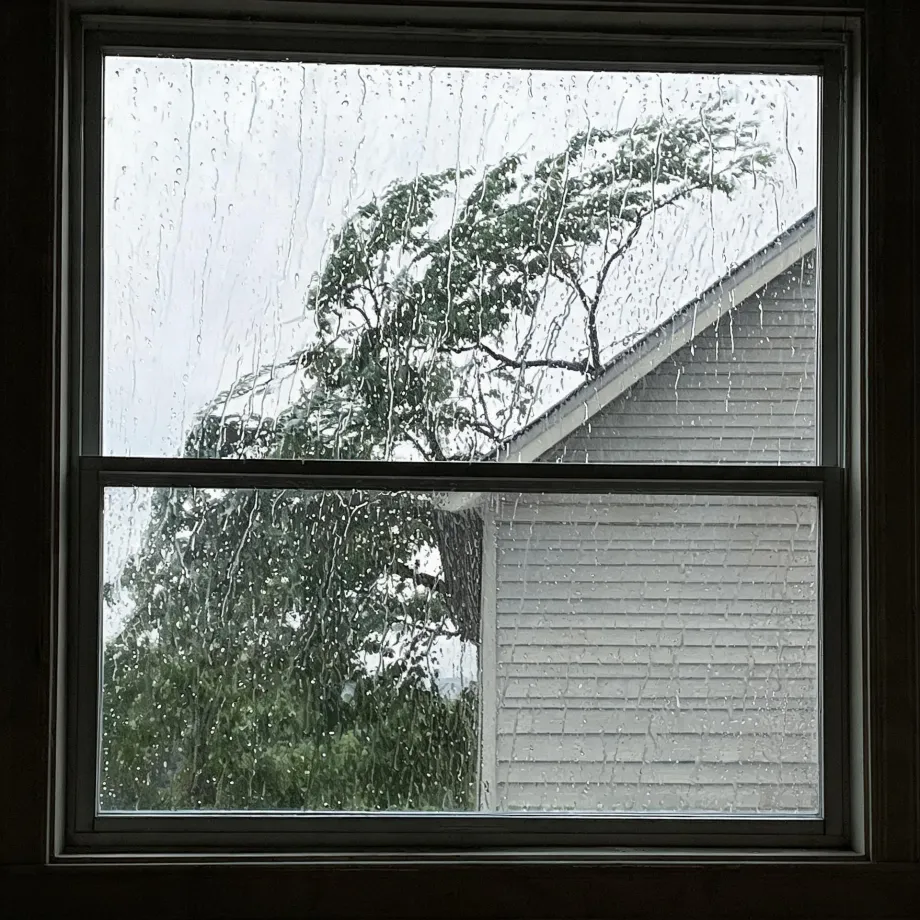
Sizing a central AC system in Custer County means accounting for what the equipment will run against year after year, not just the peak days on a calendar. 183 severe weather events were recorded in Custer County, Oklahoma between 2015 and 2024. At that rate, severe weather is part of the normal operating environment, and a contractor who quotes a system here treats storm load as a baseline demand, not an exception to plan around. Duct routing, unit placement, and equipment ratings all get chosen with that load in mind. A system sized for a quieter climate will be under-built for this one.
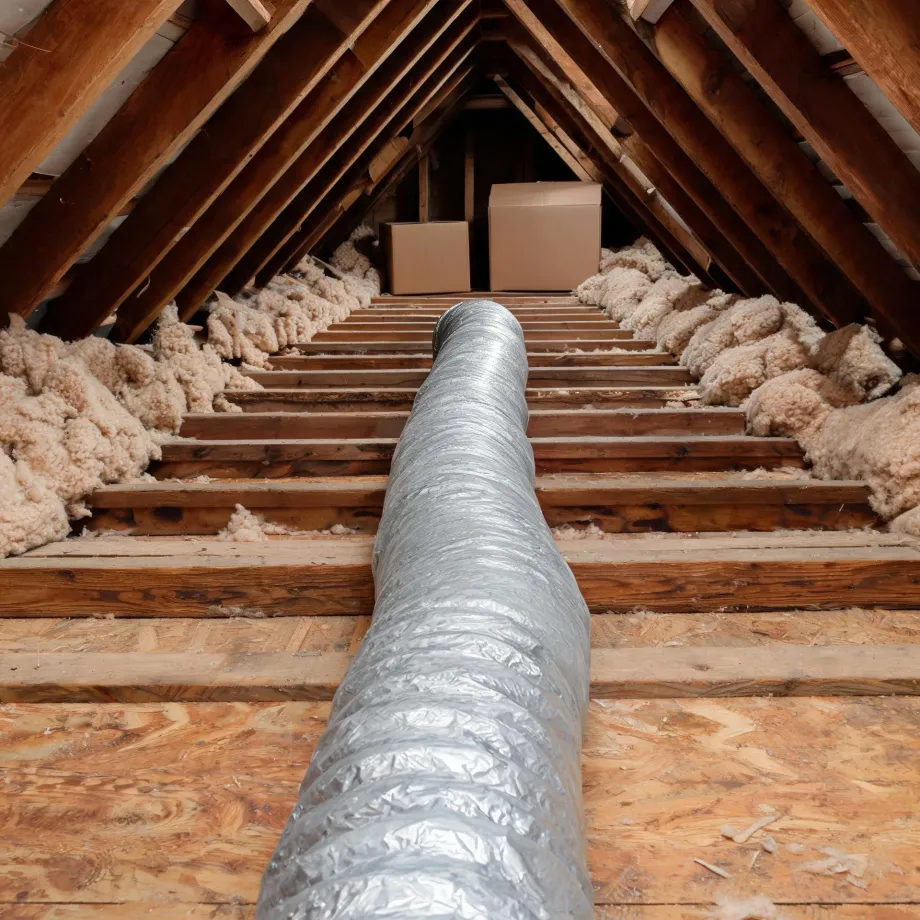
Ductwork laid in for equipment that predates the modern central AC era rarely lines up with what a new system needs in terms of airflow path, trunk sizing, or sealing. Half the homes in Custer County, Oklahoma were built in 1978 or earlier (2020-2024 ACS 5-year). A contractor pricing a new central AC installation here has to assess what the existing duct network will actually deliver before any equipment decision makes sense, because a unit matched to the wrong duct load runs short of its rated output regardless of what the nameplate says. The electrical service gets the same look: older panels often carry breaker configurations that a new condenser's draw does not fit without a dedicated circuit added. The house decides the scope before the equipment gets chosen.
What a Central AC System Includes
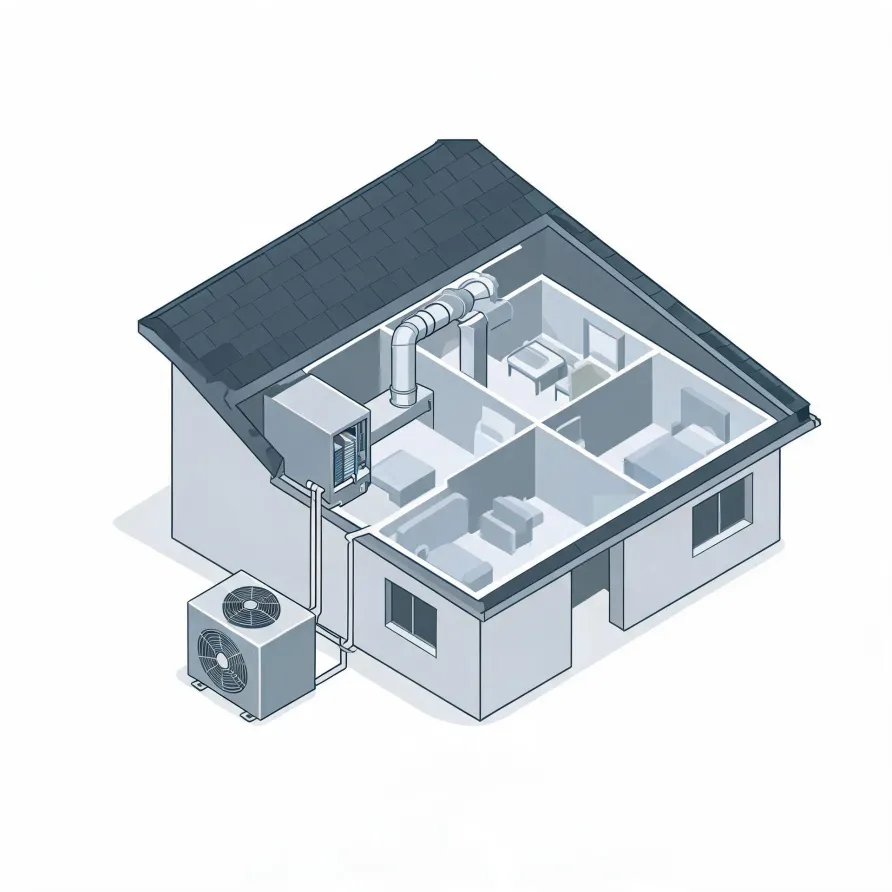
The outdoor condenser unit sits outside the house, usually on a concrete pad beside the foundation, and it holds the compressor and the condenser coil. Inside the house, the air handler or furnace cabinet stands in a utility closet, basement, or attic and contains the evaporator coil and the blower that moves air through the home.
The refrigerant lines run between those two units, connecting the indoor and outdoor sides of the system. A thermostat on an interior wall ties the whole thing together, signaling when the system should run and when it should stop.
The drawing shows a typical layout, and a licensed contractor determines exactly what applies to your house and its existing setup.
Get matched in Custer CountyCuster County, by the numbers
183 severe weather events were recorded in Custer County, Oklahoma between 2015 and 2024.
NOAA National Centers for Environmental Information, Storm Events Database, bulk CSV export, events 2015-01-01 through 2024-12-31.Half the homes in Custer County, Oklahoma were built in 1978 or earlier (2020-2024 ACS 5-year).
U.S. Census Bureau, 2020-2024 American Community Survey 5-Year EstimatesCuster County, Oklahoma holds 12,971 housing units (2020-2024 ACS 5-year).
U.S. Census Bureau, 2020-2024 American Community Survey 5-Year EstimatesOwners occupy 60.2% of the occupied homes in Custer County, Oklahoma (2020-2024 ACS 5-year).
U.S. Census Bureau, 2020-2024 American Community Survey 5-Year EstimatesRules & Standards Governing Central AC Installation in Custer County, Oklahoma10 sourced rules and standards
What the Installation Actually Looks Like
Split-system central air conditioners rated below 45,000 Btu/h manufactured on or after January 1, 2023 must meet a federal minimum of 13.4 SEER2.
Split-system central air conditioners rated at or above 45,000 Btu/h manufactured on or after January 1, 2023 must meet a federal minimum of 13.4 SEER2.
Split-system central air conditioners manufactured between January 1, 2015 and December 31, 2022 had to meet 13 SEER, the metric that preceded SEER2.
Single-package central air conditioners manufactured on or after January 1, 2023 must meet a federal minimum of 13.4 SEER2.
Space-constrained central air conditioners manufactured on or after January 1, 2023 must meet a federal minimum of 11.7 SEER2.
Federal efficiency standards for split-system central air conditioners and heat pumps are set on each certified combination of outdoor unit and indoor coil rather than on the outdoor unit alone.
Residential and light commercial air conditioning and heat pump systems assembled in the field, including mini-splits and unitary systems, may not be installed on or after January 1, 2025 using a refrigerant with a global warming potential above 700.
A field-assembled system whose specified components were all manufactured or imported before January 1, 2025 carries no installation compliance date under the refrigerant restrictions and may still be installed.
Licensing and Legal Requirements in Custer County, Oklahoma
An Oklahoma mechanical licence is valid statewide, and a contractor licensed by a local authority who works only in that locality is not required to hold the state licence at all.
Oklahoma requires a Construction Industries Board licence for mechanical work: nobody may do or advertise mechanical work as a journeyman or contractor without the right licence.
Severe Weather Events in Custer County
Weather extremes put a direct load on heating and cooling equipment, and how hard a system works over its life depends largely on what the local climate demands of it. That makes the storm and weather record for this area a real factor in sizing and installing central AC.
183 severe weather events, 2015–2024. Source: NOAA National Centers for Environmental Information, Storm Events Database.