Breaker, thermostat, or outside unit
Most no-start calls trace back to a tripped breaker, dead thermostat batteries, or a capacitor that's failed in the outdoor unit. A local contractor checks all three fast.
Skip the calls to every shop
A dead AC in July heat does not wait for you to shop around. You do not need to call three companies, explain the same thing three times, and sort through quotes while the house gets warmer. This page gets into what usually stops an air conditioner from starting at all, from the thermostat to the breaker to the outdoor unit, and what a licensed contractor near Claremore checks first.
Describe it onceWhen an AC won't turn on at all, the cause is almost always electrical rather than the refrigerant side. Start with the thermostat: if the screen is blank, check the breaker, because a tripped breaker is one of the most common reasons the system never gets the signal to start. If the breaker holds, the problem is often a blown fuse at the outdoor disconnect, a failed capacitor that's supposed to give the compressor and fan motor the jolt to start, or a contactor that's stuck or burned so it never closes the circuit. In Rogers County, with cooling systems running hard for months straight through summer heat and humidity, these parts wear out from the sheer number of start cycles they handle. A unit that won't start is also sometimes a safety switch doing its job, shutting things down because of a clogged drain line or an airflow problem elsewhere in the system. None of this is something to force past with a reset. A qualified technician can trace it to the actual part in one visit instead of you guessing.
Most no-start calls trace back to a tripped breaker, dead thermostat batteries, or a capacitor that's failed in the outdoor unit. A local contractor checks all three fast.
You explain it once to a licensed contractor who works on Claremore systems all summer and already knows what tends to fail first.
Thermostat calls for cooling and sends power to the contactor.
The contactor pulls in and energizes the outdoor unit.
The capacitor gives the compressor and fan motor their starting kick.
The compressor and condenser fan run, and the indoor blower moves the cooled air.
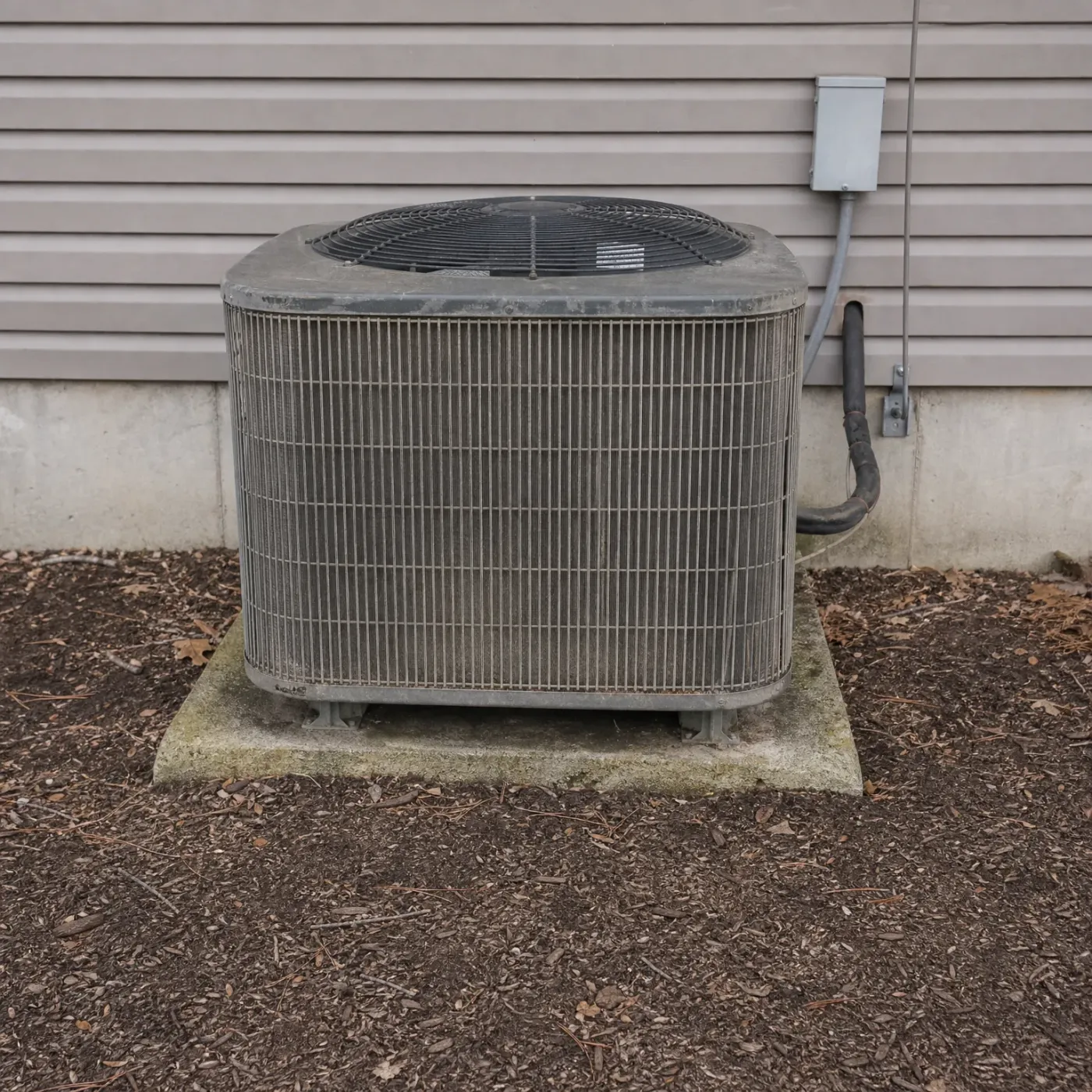




Five months of that is a lot of hours on the contactor and capacitor that make your unit start. When one of those parts gives out partway through the stretch, July or August is usually when it happens, right when you need the system most.
NOAA nClimDiv 1991-2020
Rogers County summers run long and muggy, and a house with no cooling heats up fast once the sun is on it. Indoor humidity climbs along with the temperature, and that's harder on anyone in the house who doesn't do well in the heat. Food in the fridge is fine, but a room with electronics or a window unit holding a second space can suffer if you let the heat sit for days while you decide who to call. The longer the system sits off, the longer you're opening windows at night and hoping it cools down enough to sleep, which only goes so far in July or August.
A tripped breaker or dead batteries won't turn into a bigger repair just by sitting a day or two. A bad capacitor can. If the compressor tries to start without the kick the capacitor gives it, it can draw more current than it should, and that's wear on a part that's expensive to replace compared to the capacitor that caused it. If the outdoor unit hums or clicks but doesn't start, that's worth getting looked at soon rather than flipping the breaker repeatedly and hoping it catches. Catching it at the capacitor stage is a smaller repair than catching it after the compressor's been stressed.


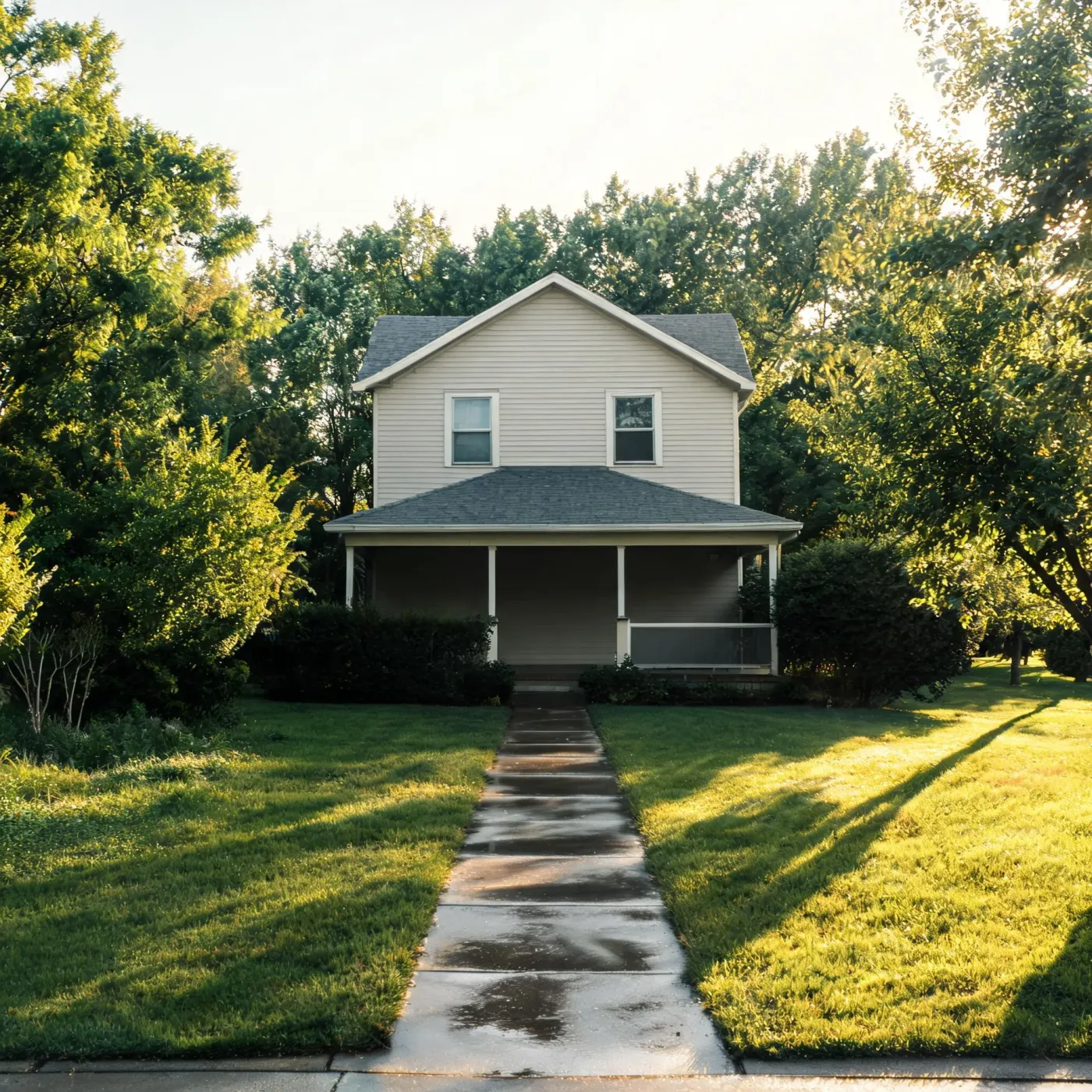
Rogers County summers carry a dew point around 68°F, the number weather services use to measure how heavy the air actually feels. At that level the air is thick enough that it's working against your AC all day, not just in the afternoon peak. A system trying to pull that much moisture out of the house runs longer per cycle, and the compressor and capacitor take that strain for months straight. When one of those parts is already worn, this is the stretch that finishes it off. A local contractor who works on these units all summer has likely seen the same failure play out in other houses nearby this season, and when you call, you're dealing with one contractor who already knows what's probably wrong, not several companies asking you to start over.
NASA POWER T2MDEW
The pro who gets in touch is licensed in Oklahoma and works in Rogers County.
You're not committing to anything by asking.
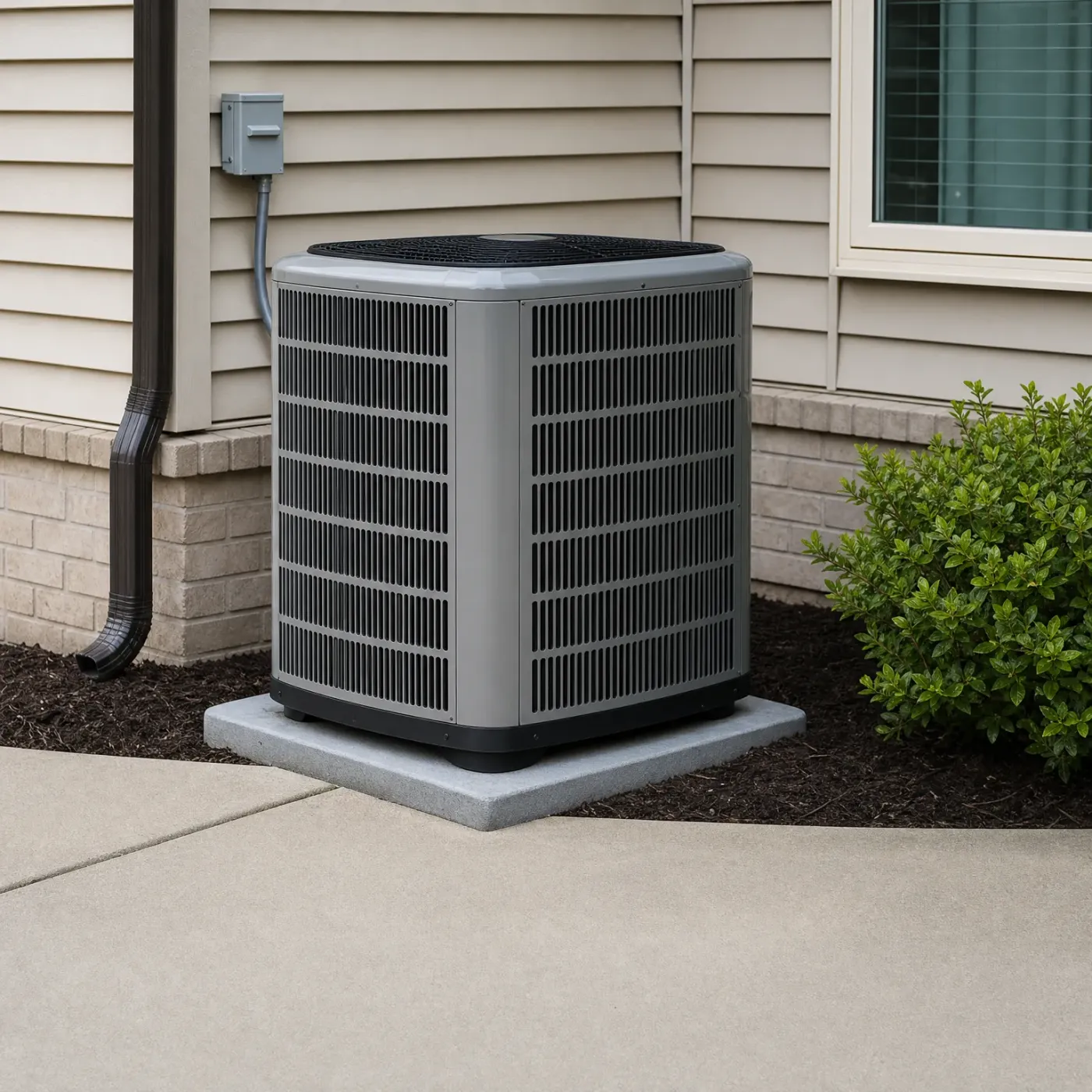
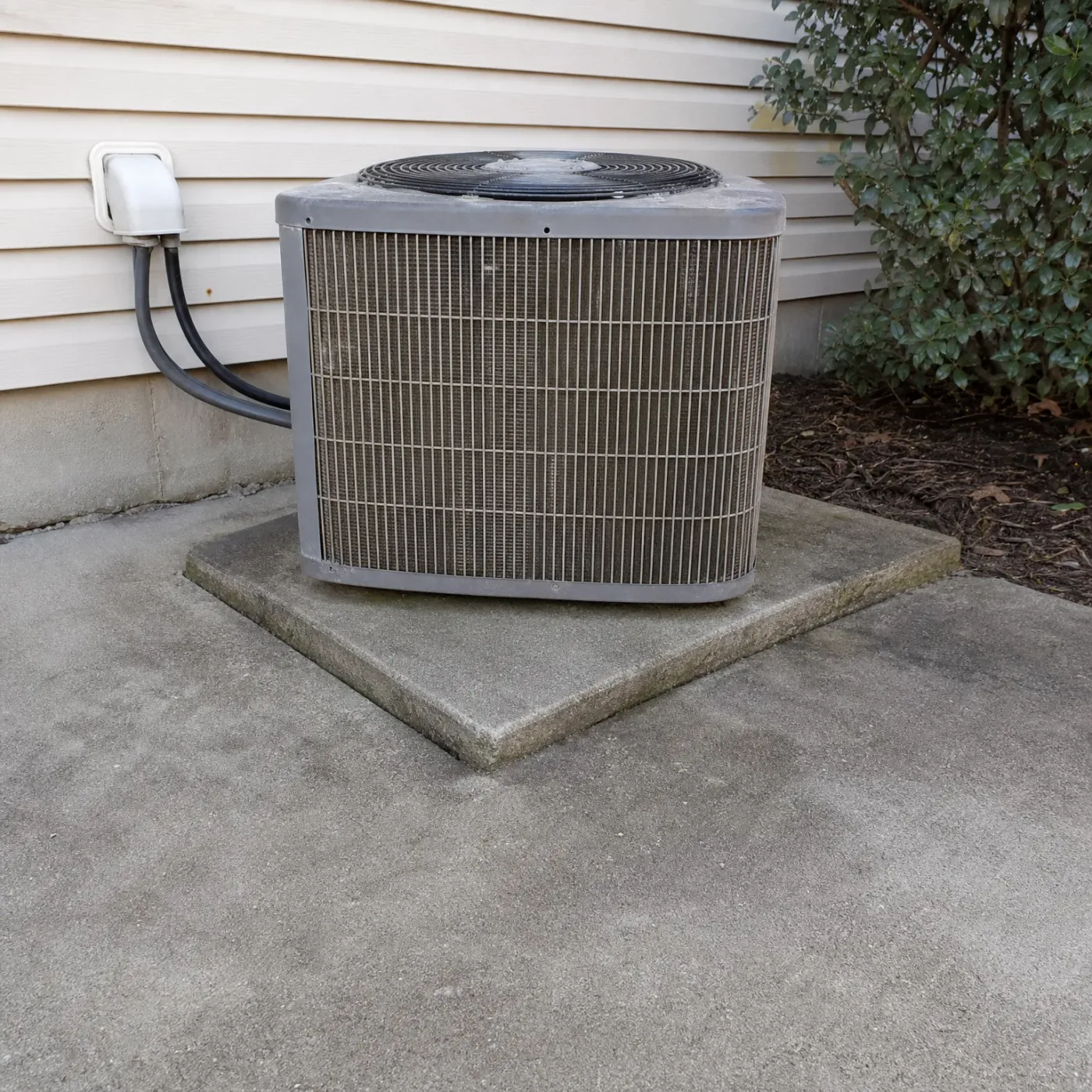
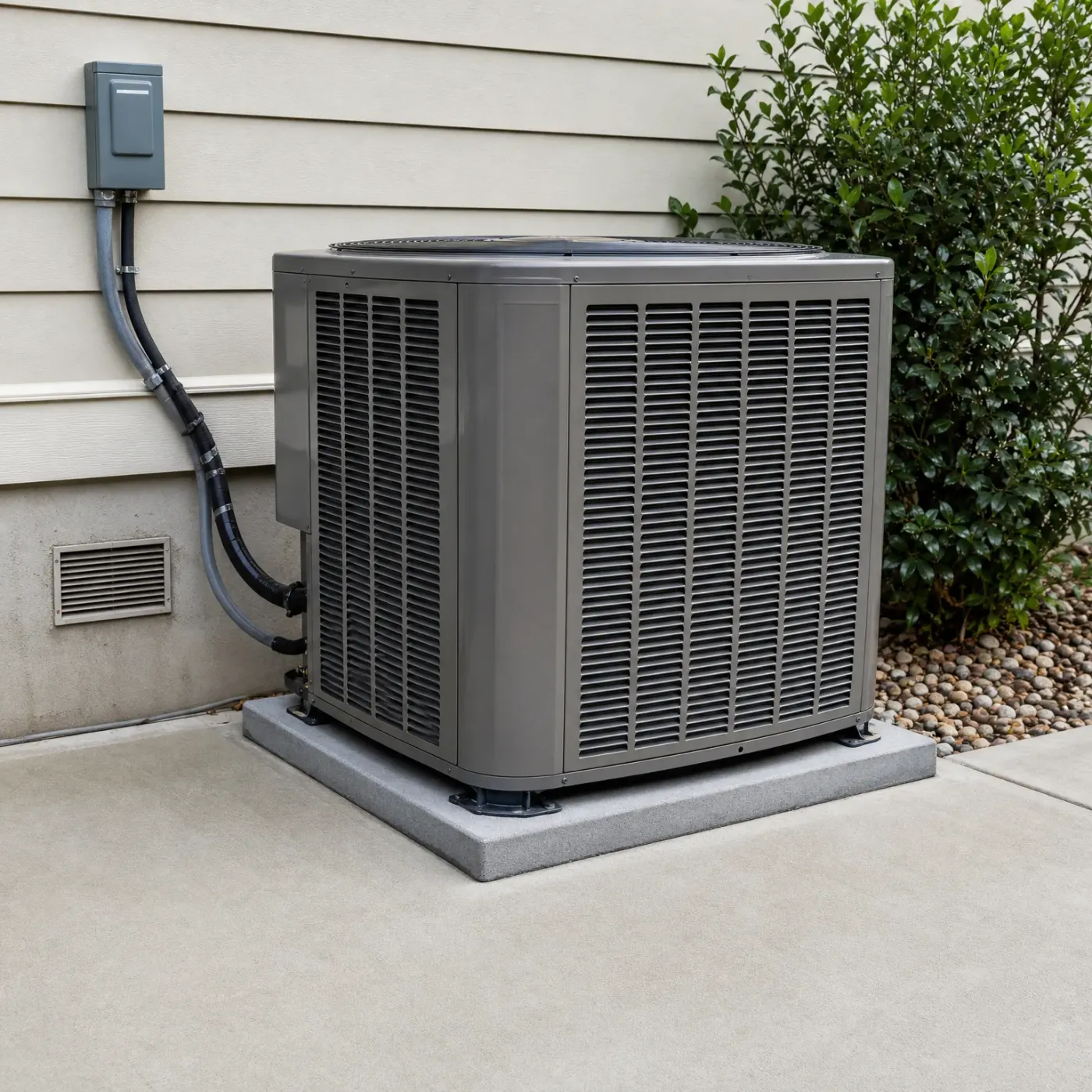
This is what a healthy outdoor unit looks like: clear fins, open space around the cabinet, nothing blocking airflow in or out. Air moves through the coil without resistance, the fan sheds heat the way it's supposed to, and the parts inside aren't working any harder than the day calls for.
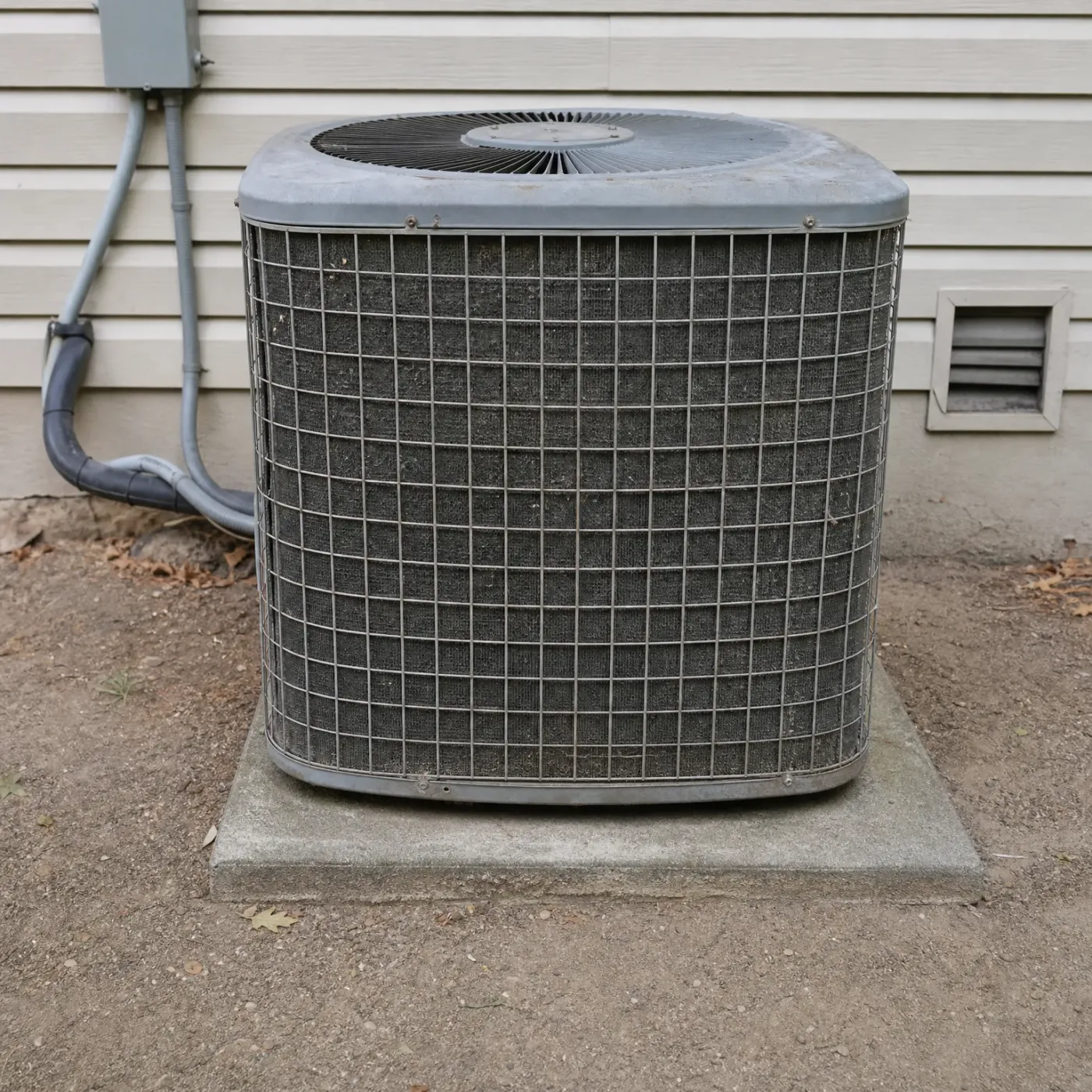
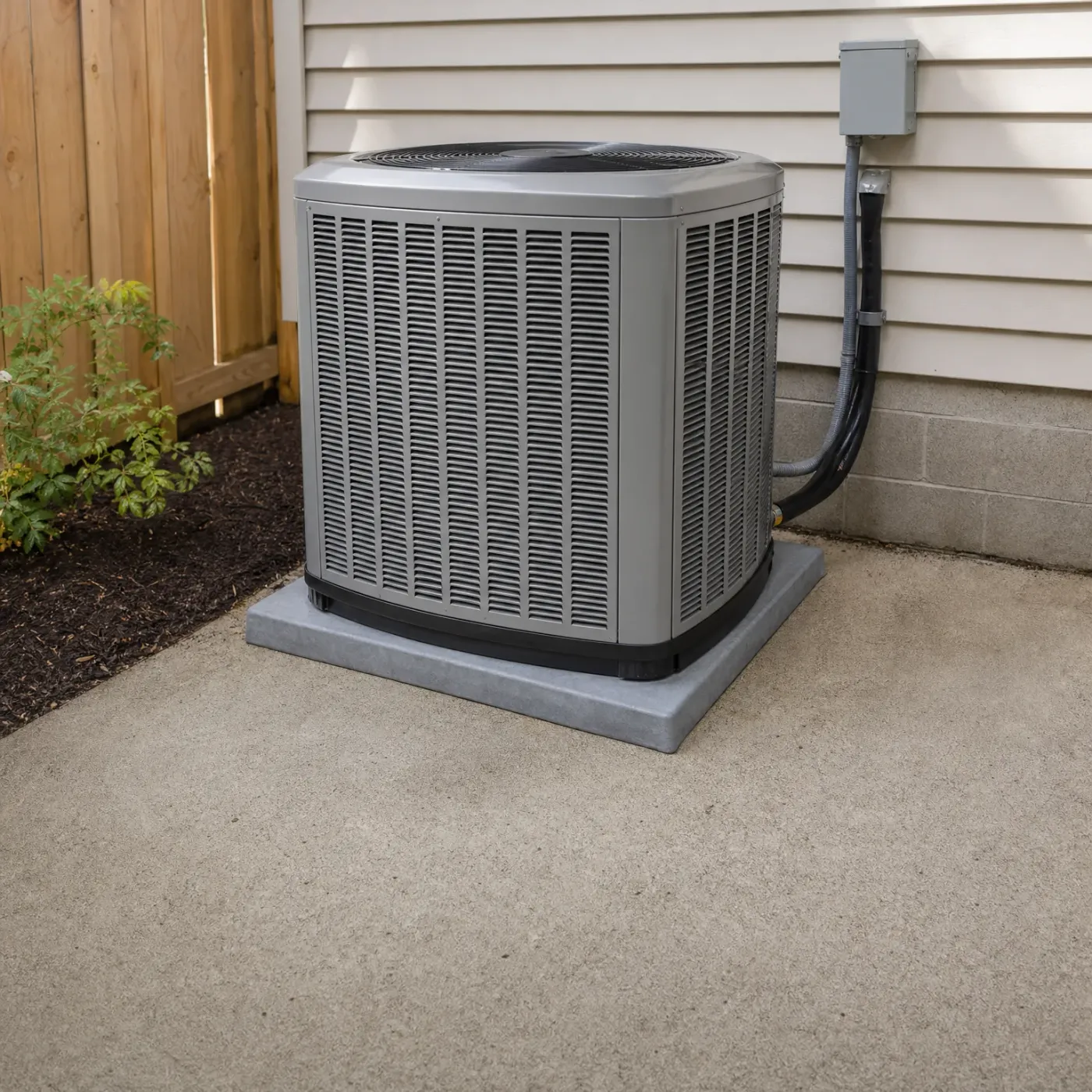
Grille and fins packed with dirt and grass clippings force the unit to work against itself. Heat has nowhere to go, so the compressor runs longer and hotter to do the same job. A unit that's looked like this for a while is a good candidate for whatever failed and stopped it from starting at all.
Walk through the house and notice what's actually happening. The thermostat screen is blank or unresponsive. No hum, no click, no air moving from the vents at all, not even the sound of the outdoor unit trying to start. You might have bumped the thermostat down several degrees and nothing changed. Check the breaker panel, since a tripped breaker for the AC circuit looks exactly like this from inside the house. If the breaker's fine and the thermostat still shows nothing, the problem is further along in the system, and the longer a house in Rogers County sits without cooling in July or August, the more the heat and humidity build indoors, which matters most for anyone in the house sensitive to either one.
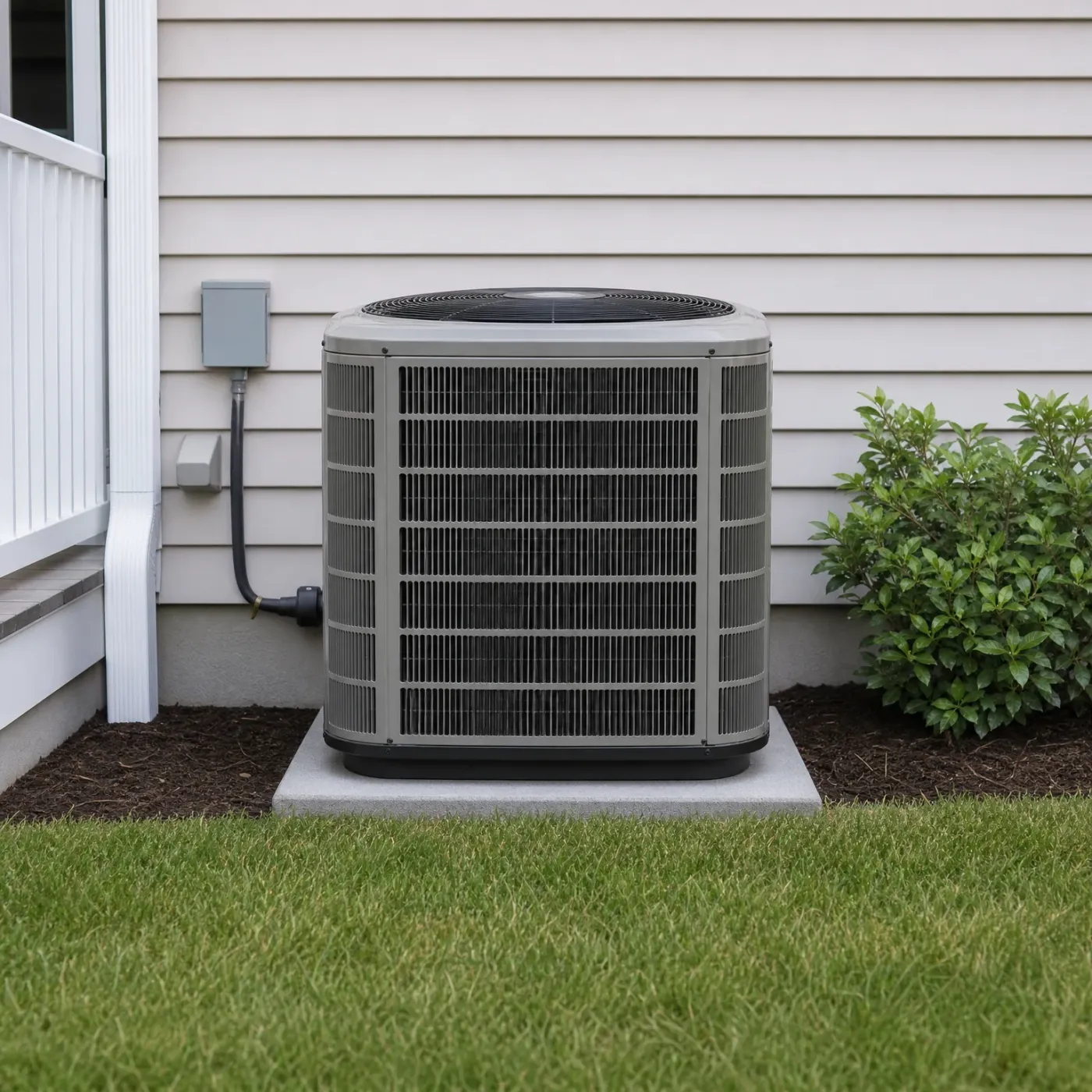
The unit sits on its pad with the shrub trimmed back and the disconnect box reachable on the wall. Air moves freely through the coil guards, so the system sheds heat the way it was built to and the contactor and capacitor inside aren't working any harder than they have to.
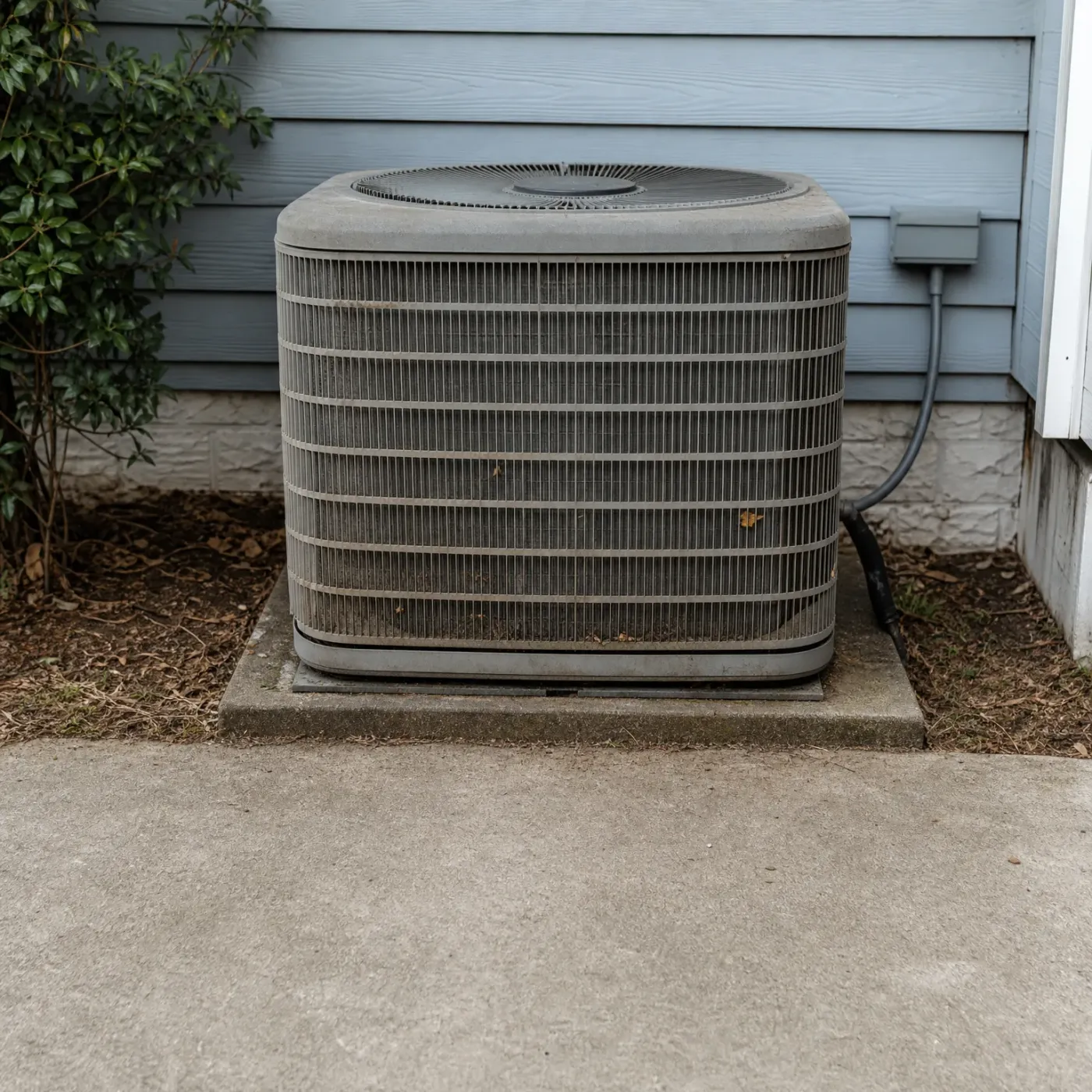
Dust and yard debris have built up thick across the coil guards, and the fan is pulling air through that layer instead of open metal. The unit has to run longer to move the same heat, and that extra strain is often what wears out a contactor or capacitor early.
A hum with no start is different from silence, and it worries people more because something is clearly getting power. You can hear the unit trying, which usually means the thermostat and breaker are fine and the problem sits in the outdoor unit itself. Knowing that narrows things down before anyone even opens the cabinet.
A hum usually means the contactor pulled in and power reached the outdoor unit, but the compressor or fan motor can't get moving. That's the job of the capacitor. It stores a charge and releases it in one push to get the motor spinning, and once it's weak, the motor just sits there drawing power and humming instead of starting. Sometimes the fan will start spinning if you give it a nudge by hand, which points straight at the capacitor. Left alone, a motor that hums and doesn't start can overheat and trip a safety switch, or wear down faster than it should. After five months of Rogers County summer, a worn capacitor is a common way for this to show up in July or August.
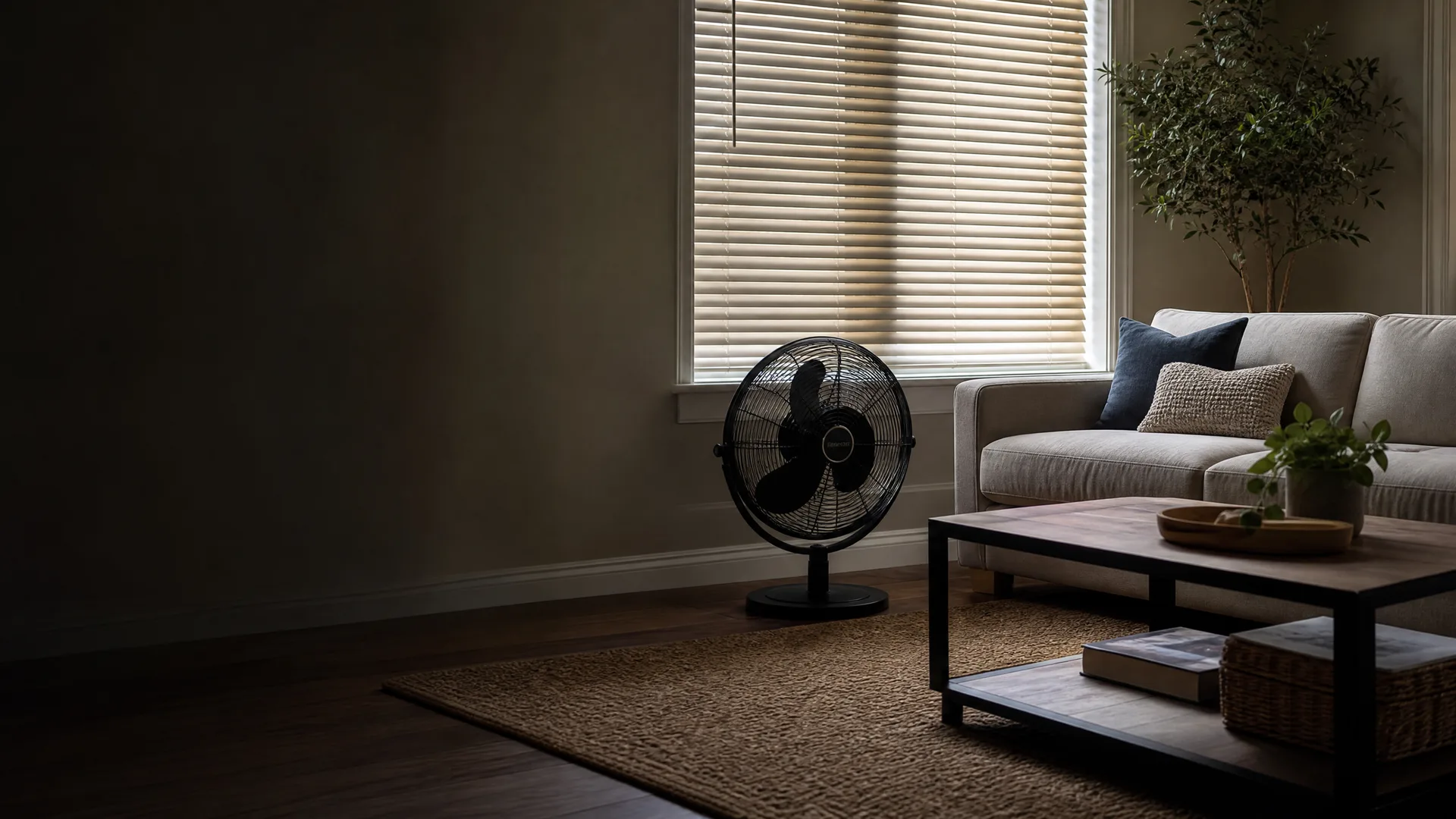
By three in the afternoon the blinds are already shut against the sun, and the living room still feels like a greenhouse through the slats. The floor fan next to the couch is turned up high, pushing the same warm air around instead of cooling anything. Your shirt sticks to the couch cushion. Outside, the heat sits heavy with the kind of July humidity Rogers County gets, and with the windows closed to keep it out, the air inside has nowhere to go. You keep glancing at the thermostat, like the number might change on its own. It doesn't. The fan blades turn, but nothing behind them does.

A breaker, a thermostat, or a capacitor in the outdoor unit. That's where this almost always traces back to, and a local contractor can check all three in one visit. You don't need to run through it yourself first, and you don't need to call around to find out who's available.
Rogers County summers don't give a dead AC much room to wait, and you shouldn't have to spend that time explaining the same problem to three different companies and comparing quotes while the house keeps heating up. One call gets someone out who works on this equipment all season and knows which of those parts usually gives out first. You'll know what's wrong and what it takes to fix it.

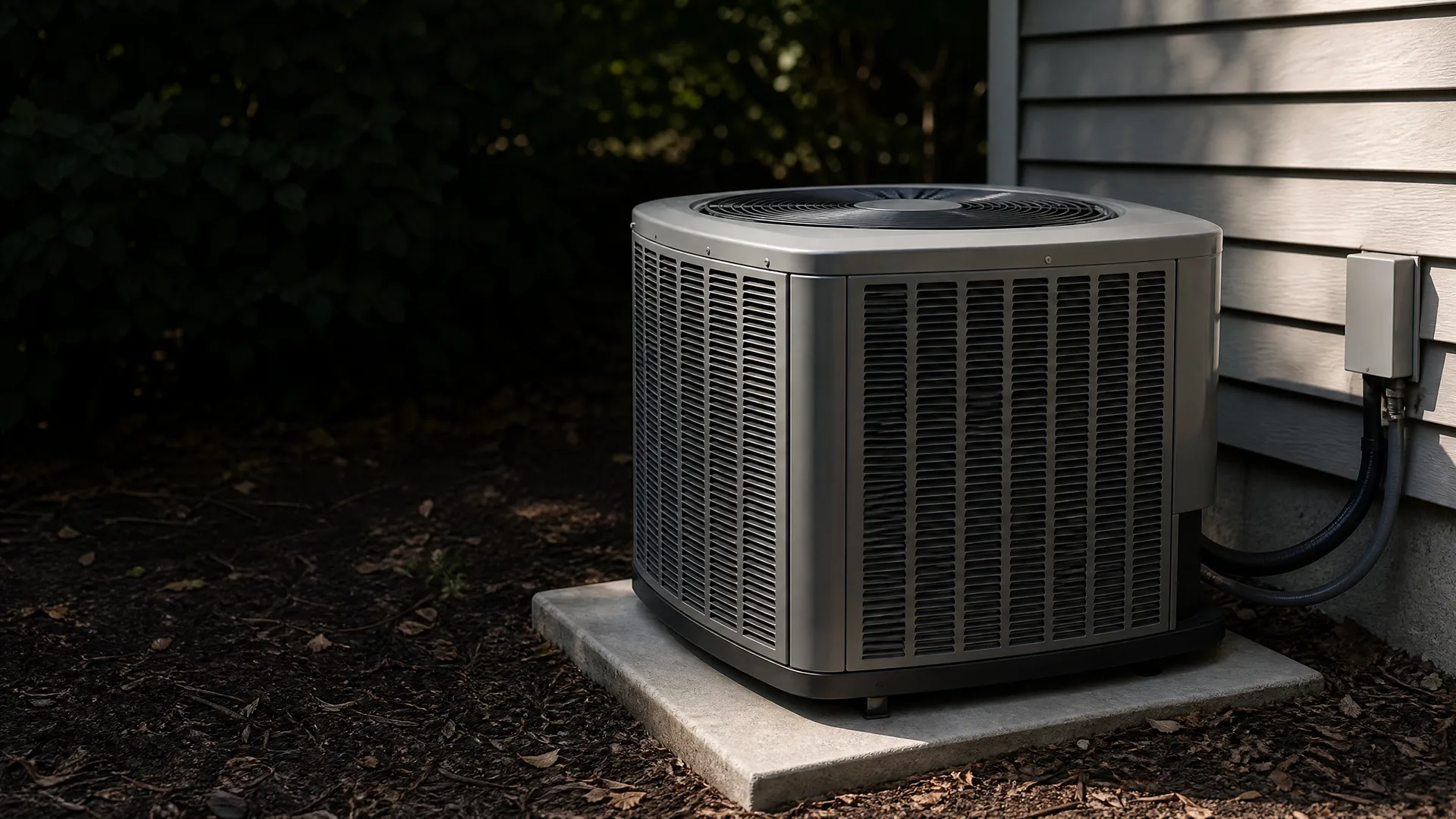
No calling every shop in Rogers County