Short cycling wastes more than long runs
An AC that shuts off after a few minutes and restarts again and again wears the compressor faster than one that runs long and steady to catch up.

On a hot Oklahoma day, your AC should run close to nonstop, cycling off for only short stretches once it catches up. That's normal. When it's 95 or higher outside with the kind of humidity Oklahoma summers bring, the system is fighting a bigger gap between outdoor and indoor air than it was built to close quickly, so it runs long to hold the house at your set temperature. What matters more than how long it runs is whether it's actually keeping up. If the house stays a few degrees warmer than the thermostat setting all afternoon, or the air coming out of the vents doesn't feel cold, something is working harder than it should: low refrigerant, a dirty coil, a system that's undersized for the house. Long runtime on a 100 degree day isn't a problem by itself. Long runtime that still leaves you warm is.




An AC that shuts off after a few minutes and restarts again and again wears the compressor faster than one that runs long and steady to catch up.
Weak airflow from a clogged filter forces the system to run longer to cool the same rooms, even on a day that isn't that hot.
By mid afternoon the air coming out of the vents feels cooler but the rooms upstairs still feel thick. The thermostat might read 74 and still not feel like it. You notice the unit outside running the whole time you're home from work, barely shutting off before supper. A system that's keeping up should close that gap within an hour or two of the heat peaking. If your house stays warm well past sundown, or the unit sounds like it's straining, that's a sign it's losing the fight, not just working hard. Left alone through a full Oklahoma summer, that strain adds up on the compressor and shows up as a bigger bill or a breakdown right when you need the system most.
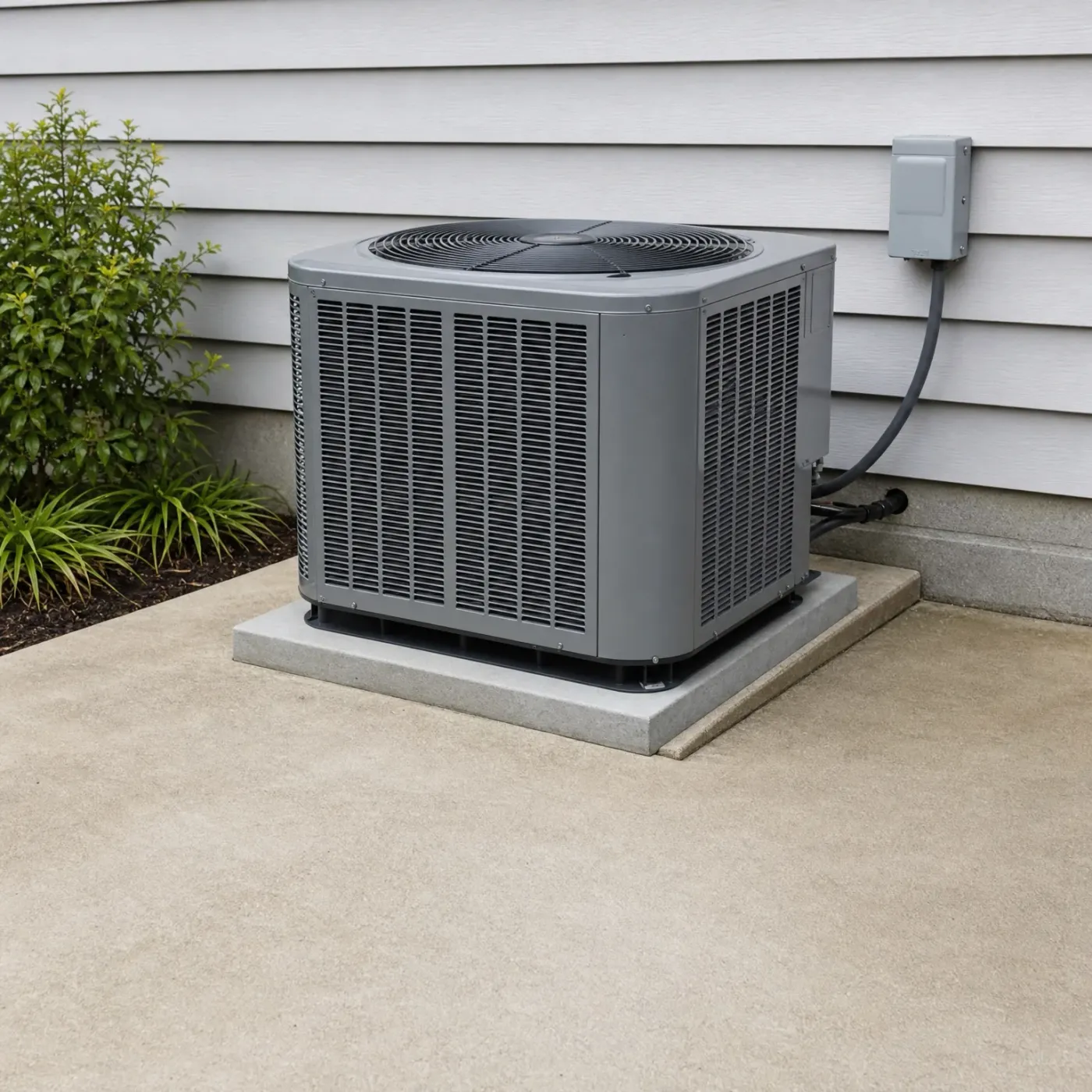
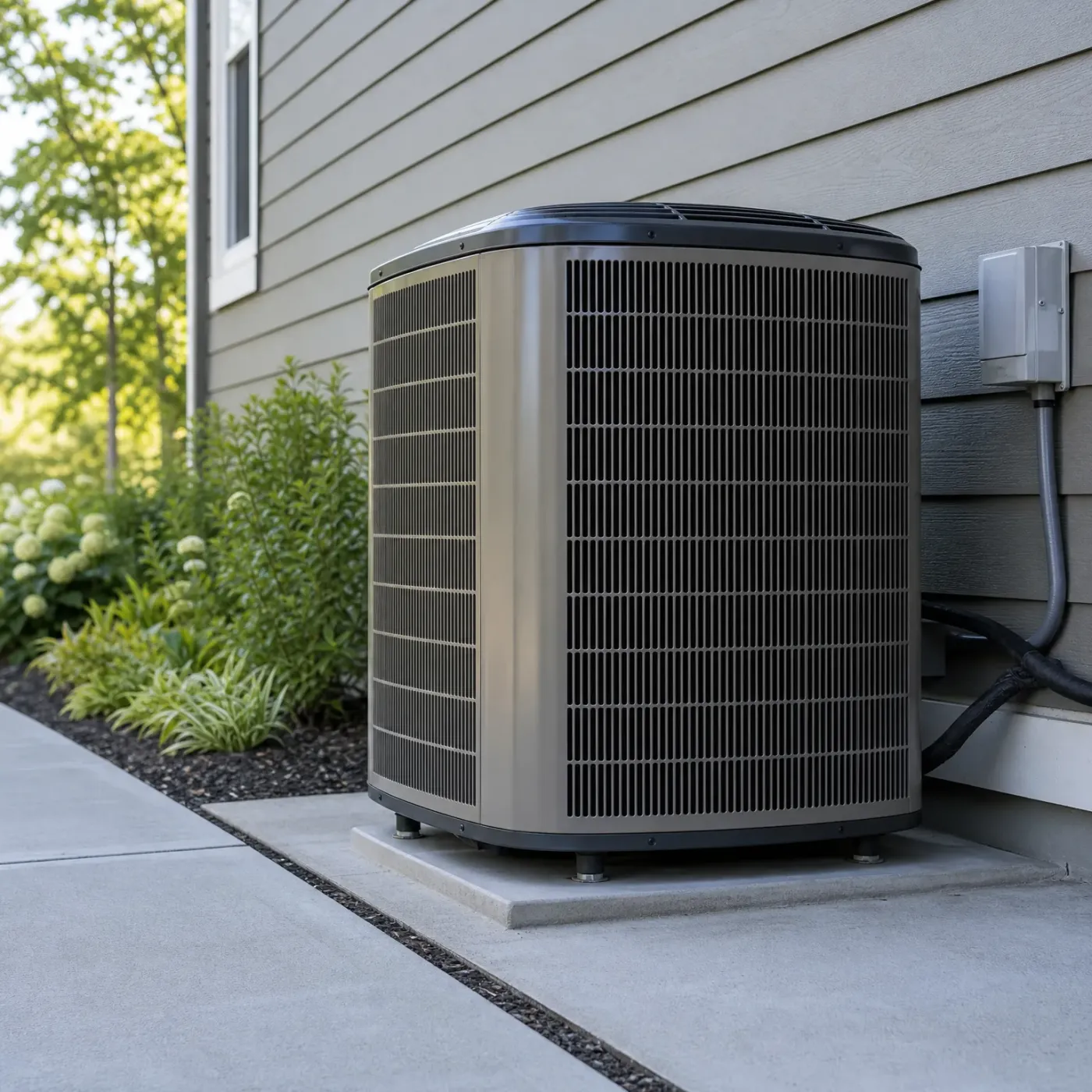
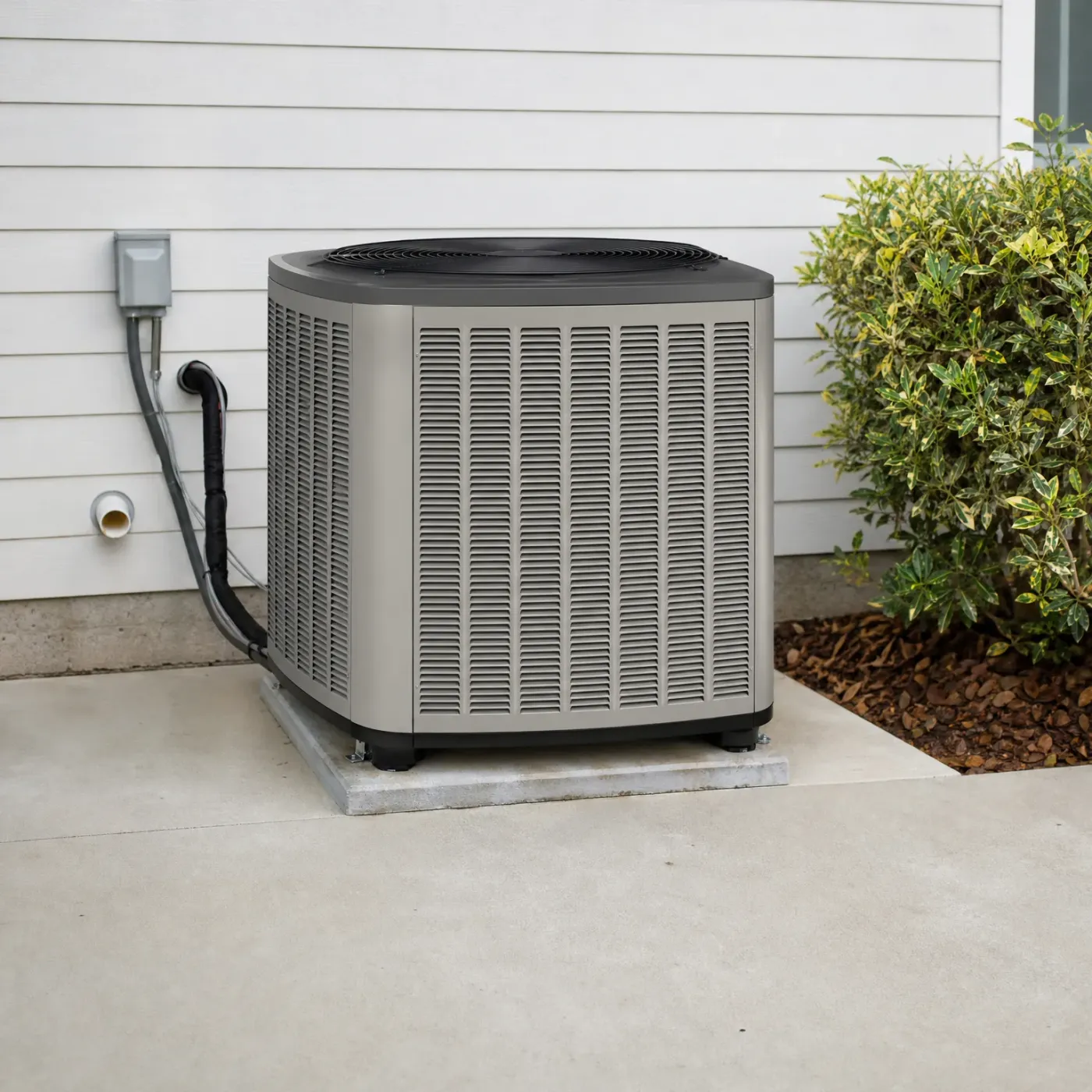
The unit outside is doing what it should on a 95 degree day. It runs for long stretches, the pad is clear, and the disconnect box and conduit are in good shape. Air comes out of the vents steadily cooled, and the house holds the temperature you set.
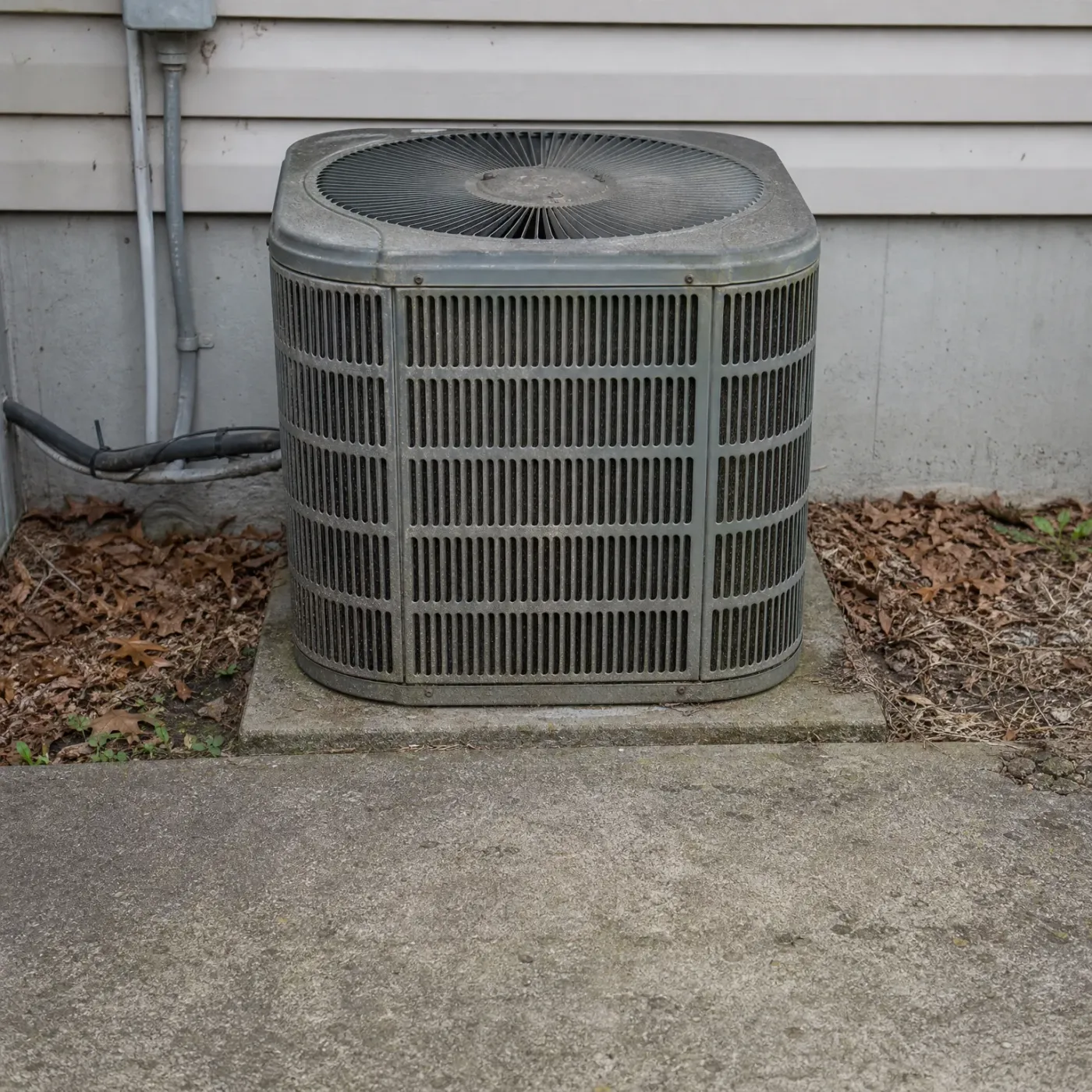
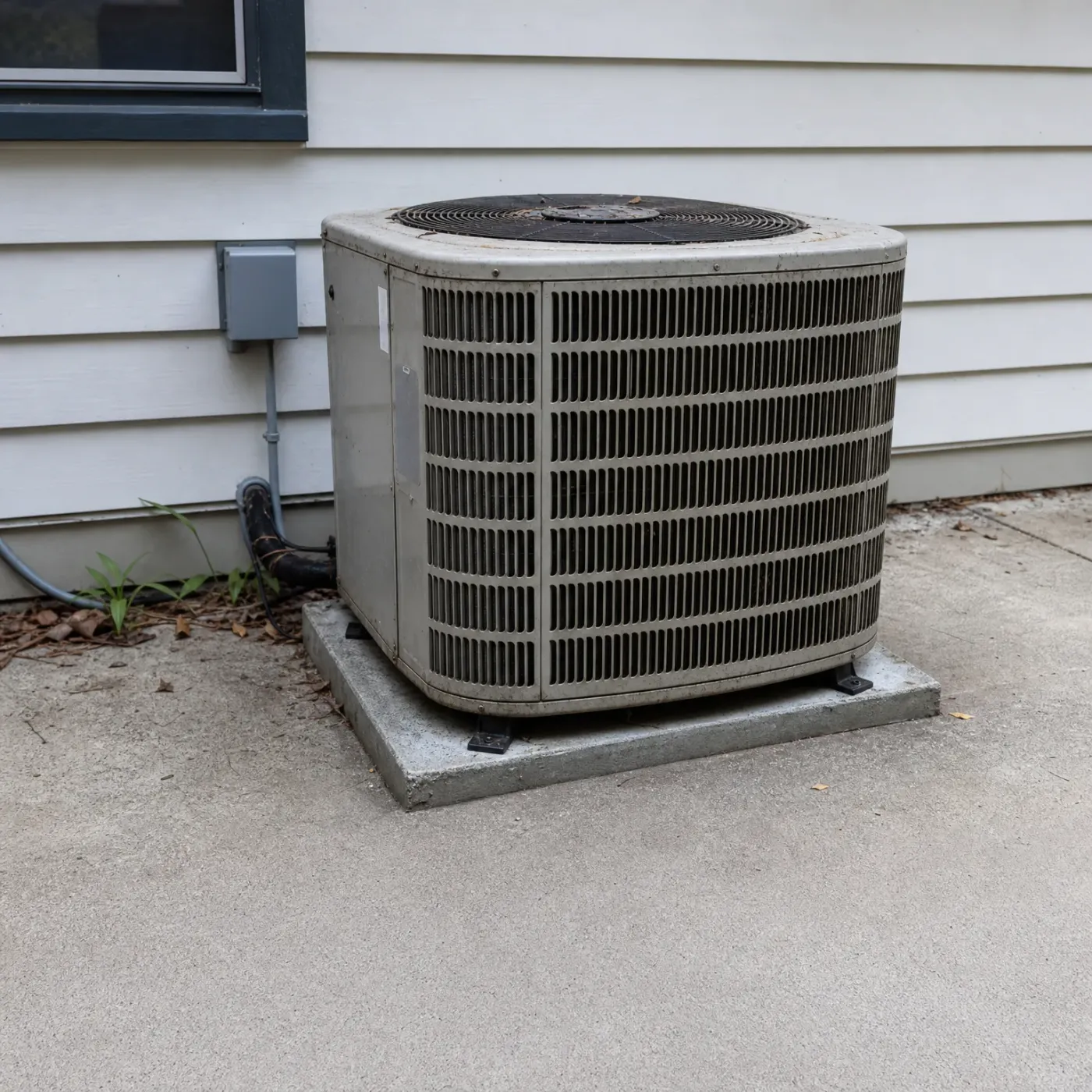
This unit is running just as hard, maybe harder, but it's buried in leaves and grime. A coil caked with debris can't shed heat the way a clean one does, so the compressor works longer for less cooling. That extra strain on an old, dirty unit is how summers end in a breakdown.
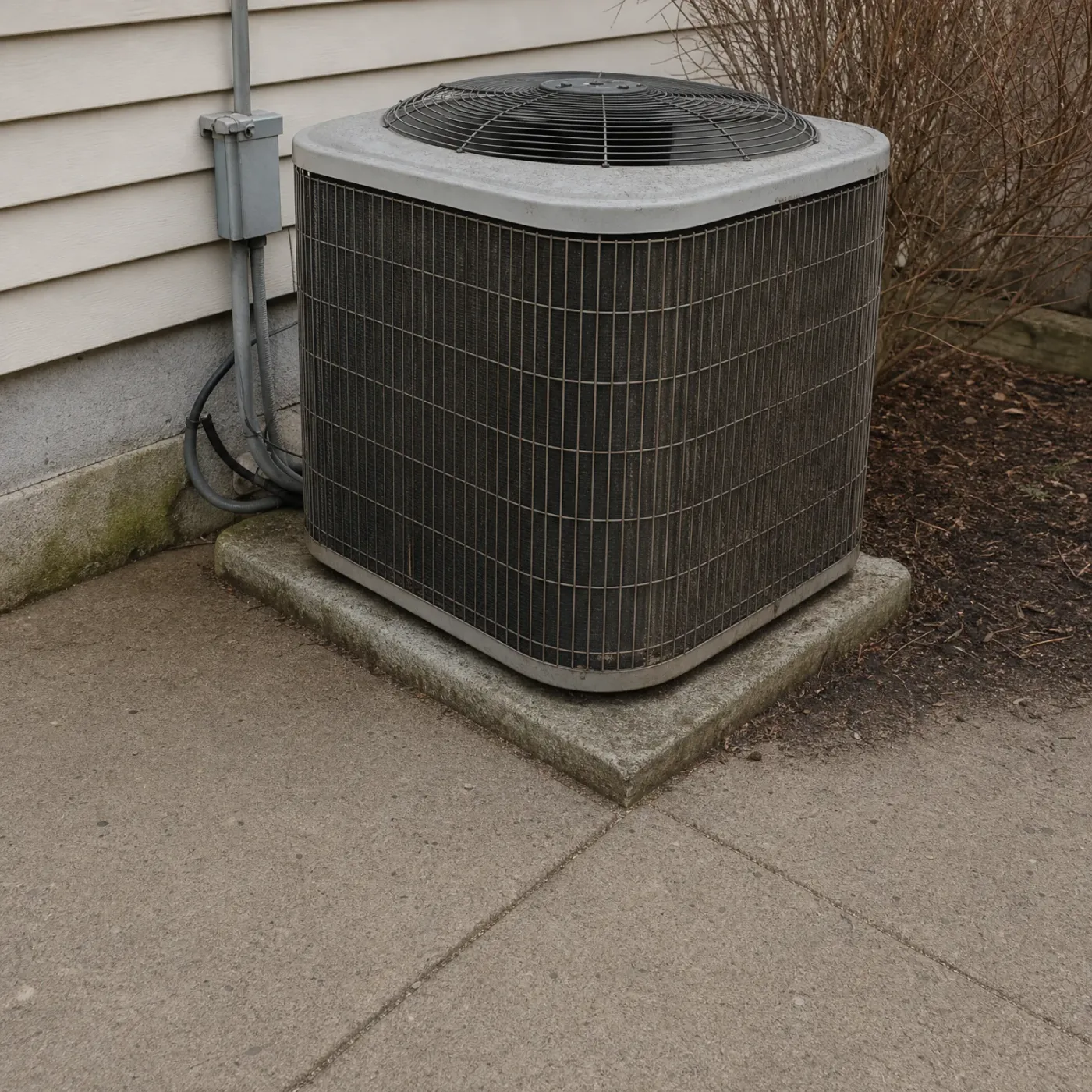
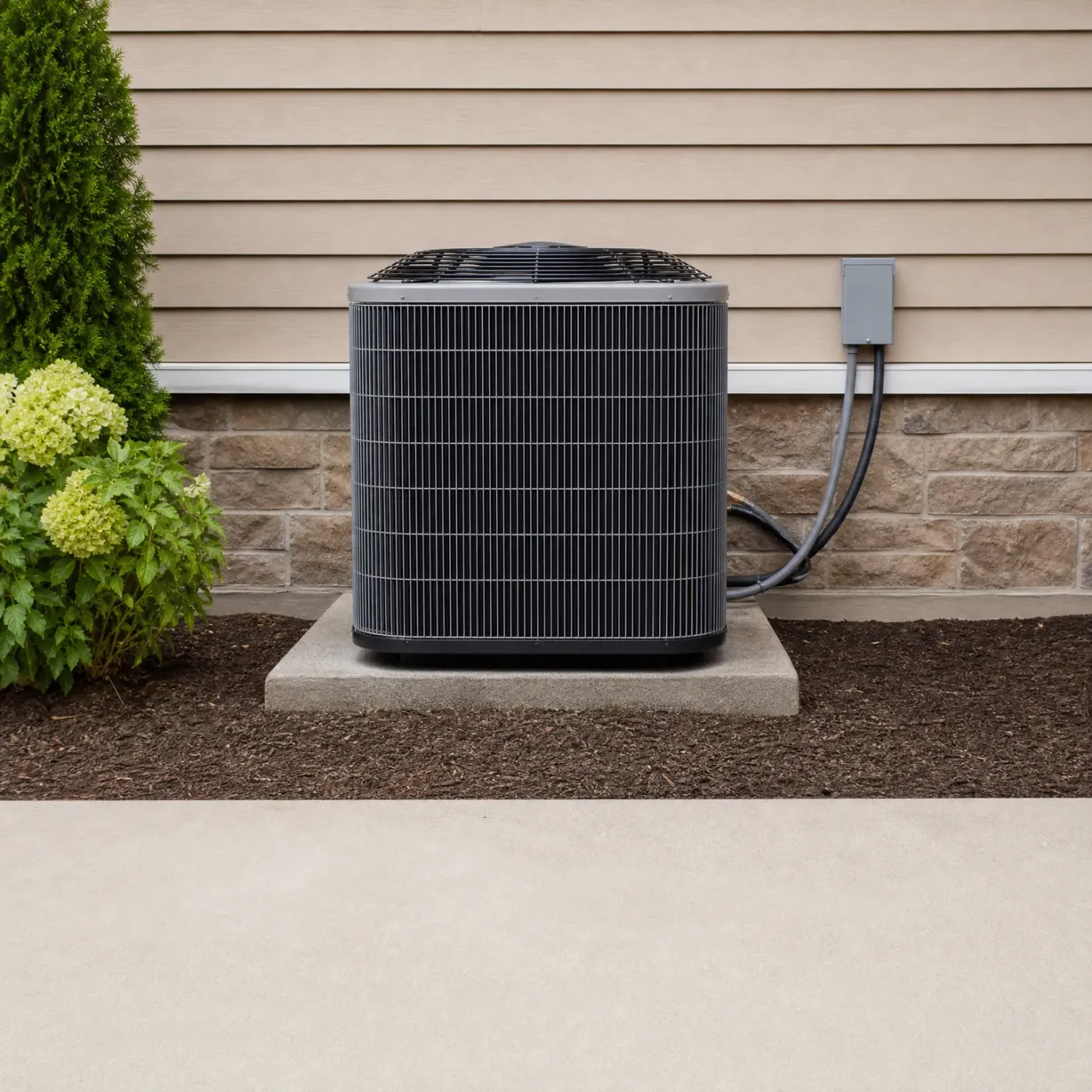
Skip maintenance and the unit keeps running the way it has been, catching up slowly on the worst days and costing more on the power bill to do it. Oklahoma power is cheap, but a system working harder than it should still shows up on the meter.
Get it serviced and the coil, the airflow, and the refrigerant charge are back where they should be. The same 95 degree day asks less of the compressor, and the house catches up faster instead of falling behind by afternoon.
At 13.21 cents a kilowatt-hour, running long on a 95 degree day doesn't punish your bill the way it would somewhere like California. But a system that runs long because it's clogged or low on charge is still paying for work it shouldn't have to do, and that adds up over a whole summer.
EIA-861 2025 statewide residential average
The unit keeps doing what it's doing now. On the 95 degree days it runs long, catches up slow, and comes off whenever it can for a few minutes before the heat builds back up and it starts again. Upstairs stays a little warmer than the thermostat says. None of that changes on its own. A dirty filter stays dirty until it's replaced, low charge stays low, and a coil caked with dust keeps costing the system the same extra runtime all through July and August. The power bill carries that cost quietly, a little more each month than it should be, and by September it adds up to real money for work the system didn't need to do.
A maintenance visit catches the filter, the charge, the coil, and the things that turn a long summer into an expensive one. If something's low or clogged or wearing out, it gets found now instead of on the hottest day in August when the unit finally gives out and every contractor in Oklahoma is already booked. You still won't get ice cold air from a system working against a 95 degree day outside, that's not how any AC works. But it runs the way it's supposed to, catches up when it should, and stops costing you for problems nobody's looked at yet. Once the form is in, finding someone to do it stops being your job.


Fill out one short form instead of calling around.
After this form, you can stop searching for an air conditioner pro.
No fee to send it, and nothing to sign.
A reader checking whether their AC's runtime on a 100 degree day means something is wrong wants a straight answer before they decide whether to worry or wait it out.
At 100 degrees outside, a properly working AC will run most of the daylight hours straight through, shutting off for maybe five or ten minutes at a time before the heat builds back up and it kicks on again. That's the compressor and the blower doing their job against a 25 to 30 degree difference between outside and the 72 to 75 degree set point most people run. What matters isn't whether it's running long. It's whether the air coming out of the vents is cold and the house is actually holding steady instead of climbing a degree or two every hour. A unit that runs long but keeps the house level is working as designed, not struggling.
The average summer dew point across Oklahoma runs 66°F, measured over June, July and August. That's sticky air, and your AC has to pull the moisture out of it before the house feels cool, not just drop the temperature on the thermostat. That's why the air handler keeps running after the number on the wall hits 74. A dry 95 degree day and a sticky 95 degree day aren't the same job for your system, even though the thermostat shows the same thing. On the muggy days, expect the runtime, and probably the sound of the unit outside, to stretch longer than you'd guess from the temperature alone.
NASA POWER T2MDEW county cells weighted by homes

If your unit is running long because it's keeping up, that's one thing. If it's running long because the coil is dirty or the charge is low, you'll likely see it on the thermostat before you see it anywhere else. The upstairs bedrooms stay a few degrees warmer than the living room no matter how long the system runs. A room that used to cool down by dinner now doesn't. That gap is worth paying attention to, because it tends to grow as the summer goes on, not shrink.
Finding out which one you've got usually means calling around, getting someone out to look at the unit, and going through the same explanation more than once before anyone actually checks the coil or the refrigerant charge. Sending one request here skips that part. You describe the house once, and the search for who's available and who's reliable isn't yours to do anymore.

Thermostat calls for cooling and the compressor starts outside
Refrigerant pulls heat and moisture out of the indoor air
The blower pushes cooled, drier air through the ducts
The system runs steady until the house reaches the set point
A long runtime on a 95 degree day isn't a problem by itself. It's what the heat and the humidity ask of the system. The question worth answering is whether your unit is running long because that's what the day demands, or because something inside it is making the job harder than it has to be. A clean filter, a clear coil and the right charge let the system run the way it's built to, steady and long, catching up and holding there. A clogged filter or a low charge stretches that runtime past what the weather alone would cause, and the compressor pays for it over a summer of 95 degree days. You can look at the pad, the lines and the disconnect box yourself and get a sense of which kind of long runtime you're dealing with, but you can't check the charge or clean the coil from the driveway. Getting that answered before the next heat wave means you're not the one calling around, explaining the symptoms twice, and sorting through quotes to find someone who can look at it. A reader who sends in the form once hands that off and finds out where the system actually stands before the hottest part of the summer gets here. Power in Oklahoma is cheap, but a system running harder than it needs to still costs more than one that isn't.





Explain the job once and skip repeating it on every call.
Sending the form costs nothing.