After you send the request, you're done searching.
A two-stage air conditioner runs at a lower output most of the time and only kicks up to full power on the hottest afternoons. In Oklahoma, where summer means long stretches of heat and humidity rather than a few bad weeks, that lower stage matters. It runs longer at a gentler pace, which pulls more moisture out of the air than a single-stage unit cycling on and off at full blast.
Power here is cheap compared to a lot of the country, so some homeowners wonder if the extra cost of two-stage is worth it when the electric bill was never the painful part. The humidity is usually the real argument. A single-stage system cools the air fast and shuts off, leaving the house cold but sticky. A two-stage system takes its time and leaves the air drier.
Since most homes here heat with gas, the AC side of the system is doing its own job without much overlap with the furnace. That makes the decision simpler. You're not weighing how a two-stage condenser pairs with your furnace's stages. You're just deciding whether steadier cooling and better humidity control are worth the install cost to you.
Whatever you decide, finding a contractor who installs two-stage systems and can walk you through what it would look like in your house is its own chore. Calling around, explaining your setup more than once, comparing bids that use different language for the same equipment, it adds up.
Send the form on this page and that part stops being yours to do. You won't be chasing down contractors or repeating your situation to the next one on the list. Someone who installs these systems in Oklahoma homes gets your information, and the search is no longer something you have to carry.
A two-stage AC is worth it in most Oklahoma homes. Summer here is not a handful of bad days. It is months of heat and the kind of humidity that sits on you by nine in the morning. A single-stage unit only knows full blast or off, so it cools the air fast, shuts down, and starts again before the house has had any time to dry out. A two-stage unit spends most of those months running low and slow, which pulls more moisture out of the air and keeps the house feeling even instead of swinging hot to cold. It only shifts into full power on the worst afternoons, the ones where the heat index sits near triple digits for hours. That matters more here than in a place with a short, mild summer, because the low stage is doing real work for most of the season, not just idling. For a house that runs its AC from April through October, that is a lot of months spent in the stage built for exactly this climate.
Before you get your air conditioner installationAfter you get your air conditioner installation
Most of the time, your air conditioner does not need everything it has. A single-stage system does not know that. It only has one gear, so every time it kicks on, it runs flat out, cools the air fast, and shuts off, whether the afternoon calls for it or not. A two-stage compressor has a second setting built in, a lower output it leans on for most of the summer. Running at that lower stage means longer cycles. Air moves across the indoor coil for more of each cycle, which pulls more humidity out of it than a short, hard blast ever does. The thermostat or the control board is making that call behind the scenes, watching the load and deciding which stage fits it. On the days that actually need full power, the system still has it. Nothing is held back. What changes is everything below that, the long stretch of ordinary hot days where a slower, steadier cycle keeps the house evener and pulls more moisture out of the air than a system that only knows on or off.
How a two-stage AC actually runs
A single-stage compressor is either fully on or fully off, so every cycle runs at full capacity no matter the actual heat load outside.
A two-stage compressor has a low setting, usually around 65 to 70 percent of full capacity, that it uses for most of the summer.
The low stage runs longer per cycle, which moves air across the indoor coil for more time and pulls more moisture out of it.
The thermostat or control board decides which stage to run, stepping up to full capacity only when the low stage can't keep up with the heat.
Longer, slower cycles mean the blower moves air through the house more evenly, instead of short bursts of cold air followed by long stretches of nothing.
Full capacity still kicks in on its own during the hottest afternoons, so the system isn't held back when it actually needs the power.
Done looking for an air conditioner pro
Describe the project once instead of to every installer.
Send the form and the search for an installer is over.
Asking costs nothing, and the choice to hire stays yours.
Single-Stage vs Two-Stage AC
Single-stage
It runs full blast every time it kicks on, even on a mild 78-degree afternoon that doesn't need full capacity.
Air comes out colder and faster, then shuts off, so the house swings between a cool snap and a slow climb back up.
Because it cycles on and off more, humidity doesn't get the steady draw-down a long, low cycle gives it.
Installation costs less upfront, which matters if you're weighing this against other repairs this year.
It's a simpler machine with fewer parts to service, which some homeowners prefer.
Two-stage
It spends most of a hot Oklahoma day running low, around 65 to 70 percent capacity, instead of cycling on and off.
Long, low cycles pull more moisture out of the air, which matters when humidity is part of what makes the heat feel worse.
It only shifts to full power on the handful of afternoons that actually push past 100.
Rooms hold a steadier temperature instead of swinging between a cold blast and a warm stretch.
It costs more to install than a single-stage unit.
It runs longer stretches at lower speed, which puts less strain on the compressor than constant full-power cycling.
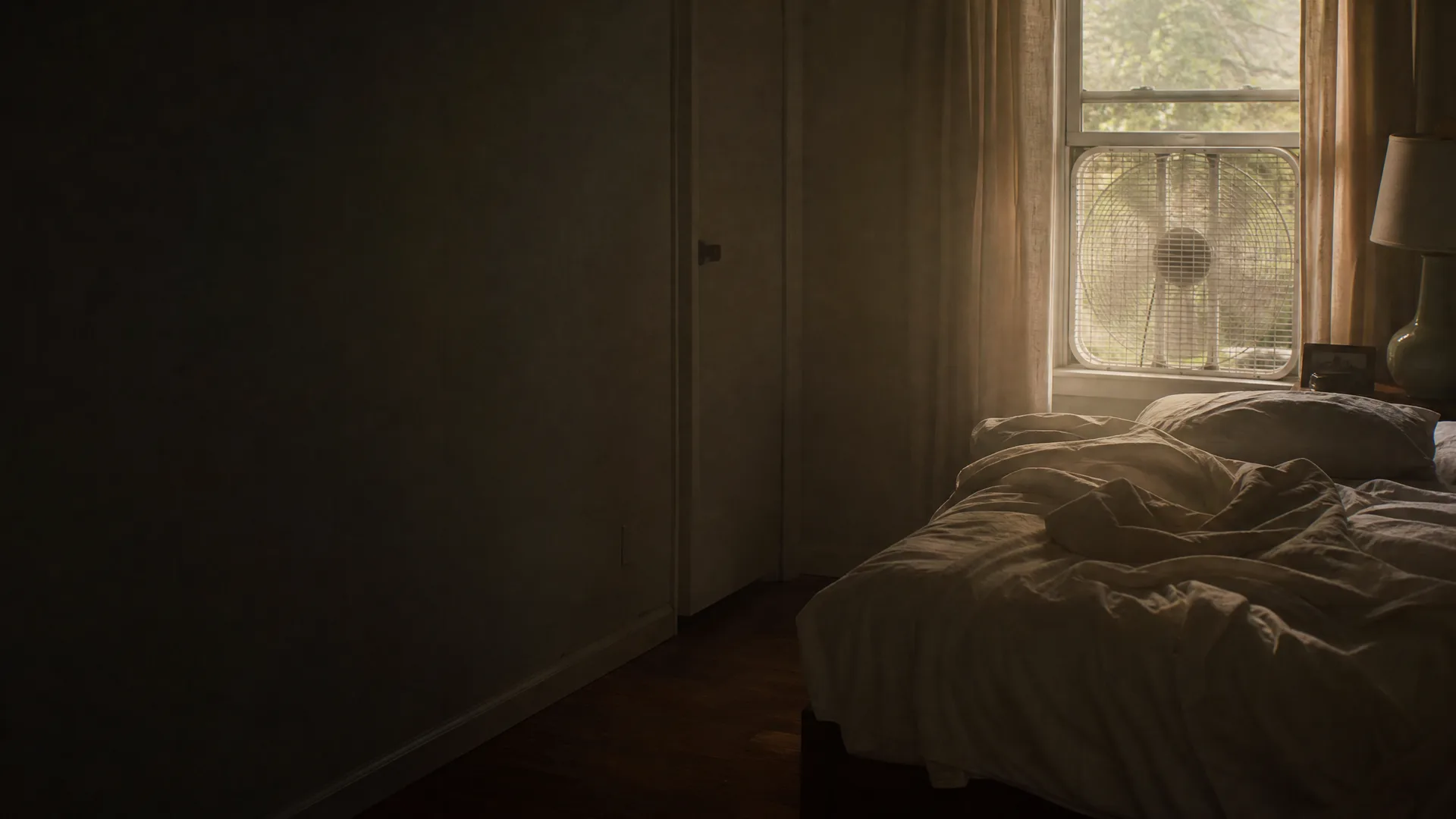
It's past eight and still 91 outside. The box fan in the window is pointed in, pulling in air that isn't much cooler than the air already in the room. You're on top of the sheets. Downstairs the thermostat says 74, but up here it's closer to 80, the heat from the day still caught under the roof with nowhere to go. The AC kicked off ten minutes ago and the room already feels like it's climbing back. You can hear it start up again through the floor, running hard, the way it always does, no matter how hot it actually is outside tonight.
Why does your house feel muggy even when it's cool enough
Your thermostat might say 74, but the air still feels heavy. That's a single-stage unit cooling the air fast and shutting off before it has run long enough to pull the moisture out. You notice it in a clammy feeling on your skin, windows that fog up, maybe a musty smell in the basement or a closet. Upstairs rooms stay warmer than the rest of the house because short, powerful bursts of cold air never run long enough to even things out room to room. Left alone through enough Oklahoma summers, that extra moisture sitting in the house gives mold and mildew a place to start, especially in rooms that already run damp.
1
The thermostat calls for cooling and the compressor starts on low.
2
Low stage runs at partial capacity, moving air slowly across the coil.
3
A sensor tracks indoor temperature against the thermostat setting.
4
If low stage can't keep up, the compressor shifts to high.
The National Weather Service puts the summer dew point across Oklahoma at an average of 66°F for June, July and August. That's the number that tells you how heavy the air feels, not just how hot it is. A single-stage air conditioner cools the air quickly and shuts off, which leaves a lot of that moisture behind. A two-stage unit runs its low setting for hours at a time, so the air keeps moving across the coil long enough to wring the water out of it. At a 66-degree dew point, that difference shows up as the air in your house feeling dry instead of damp, even when the thermostat reads the same number either way.
NASA POWER T2MDEW county cells weighted by homes
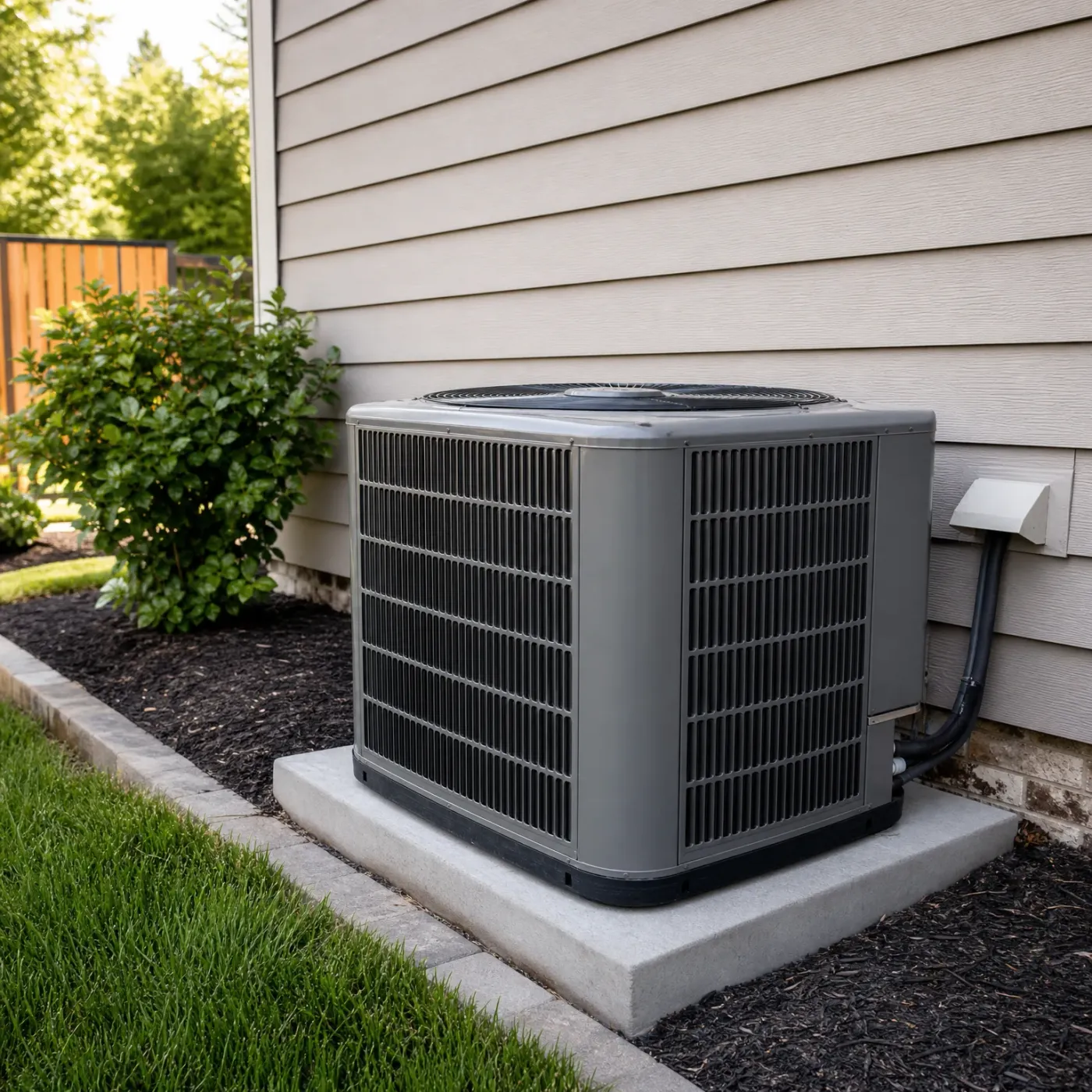
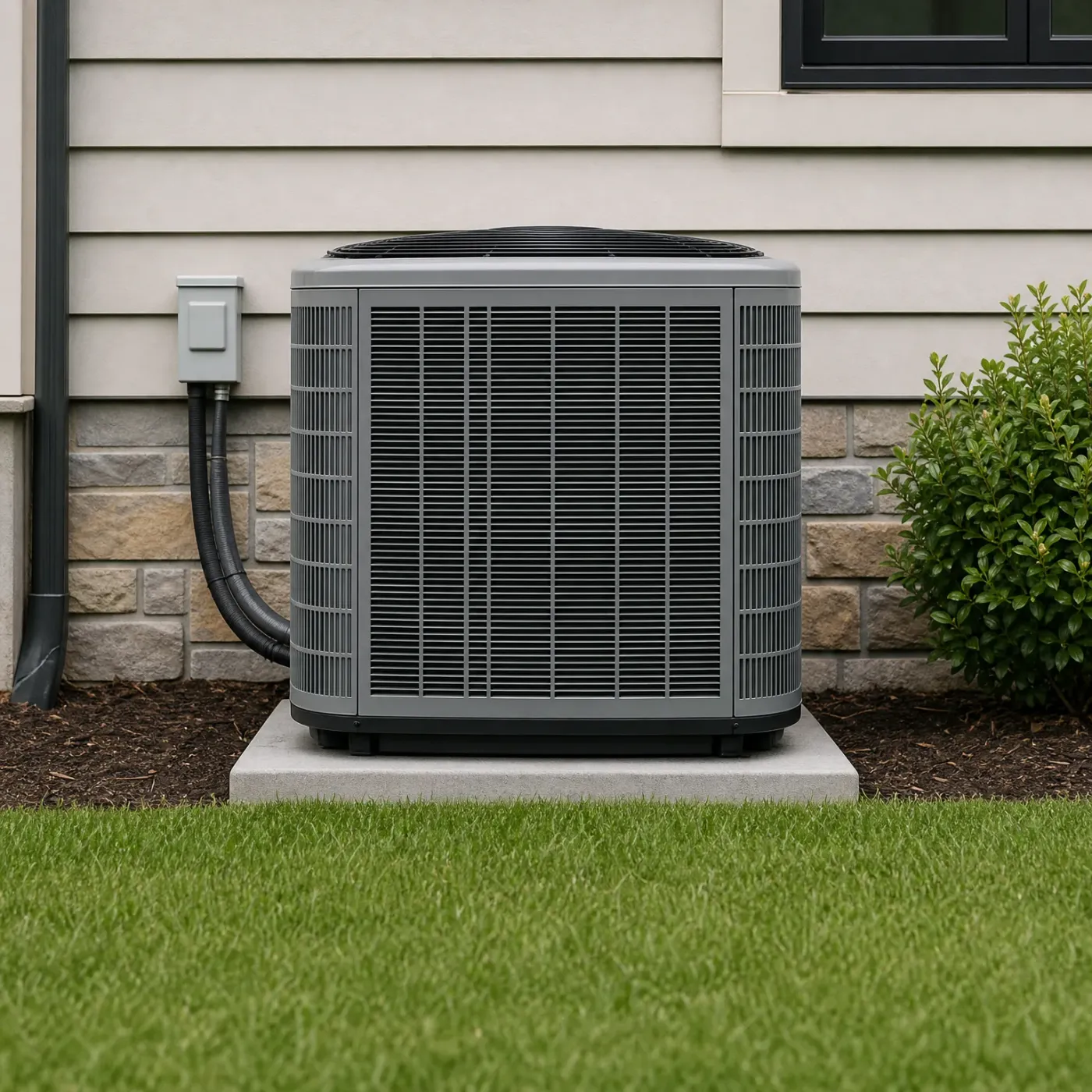
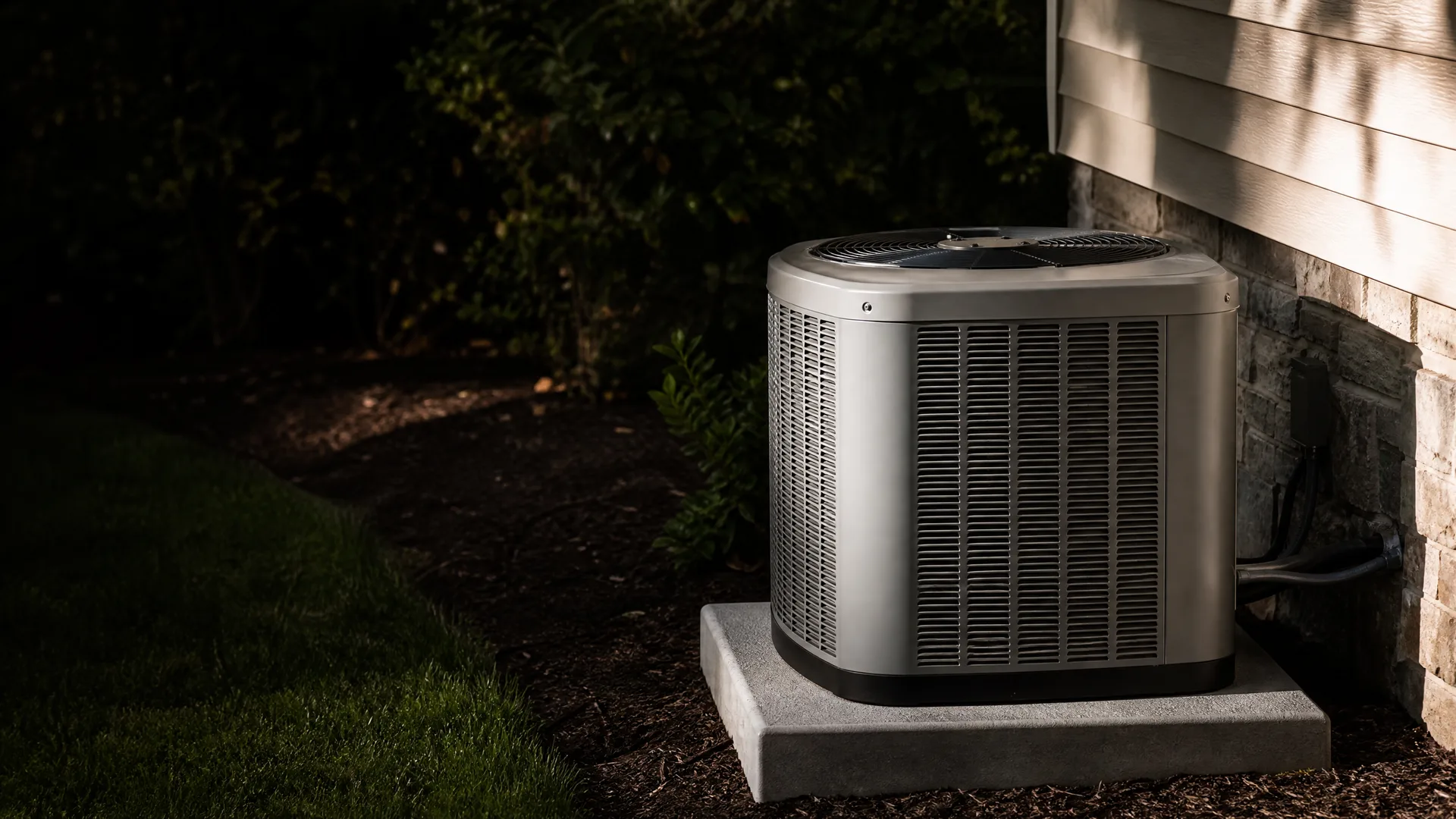
A two-stage unit outside your house, running quiet on low through most of a hot afternoon.
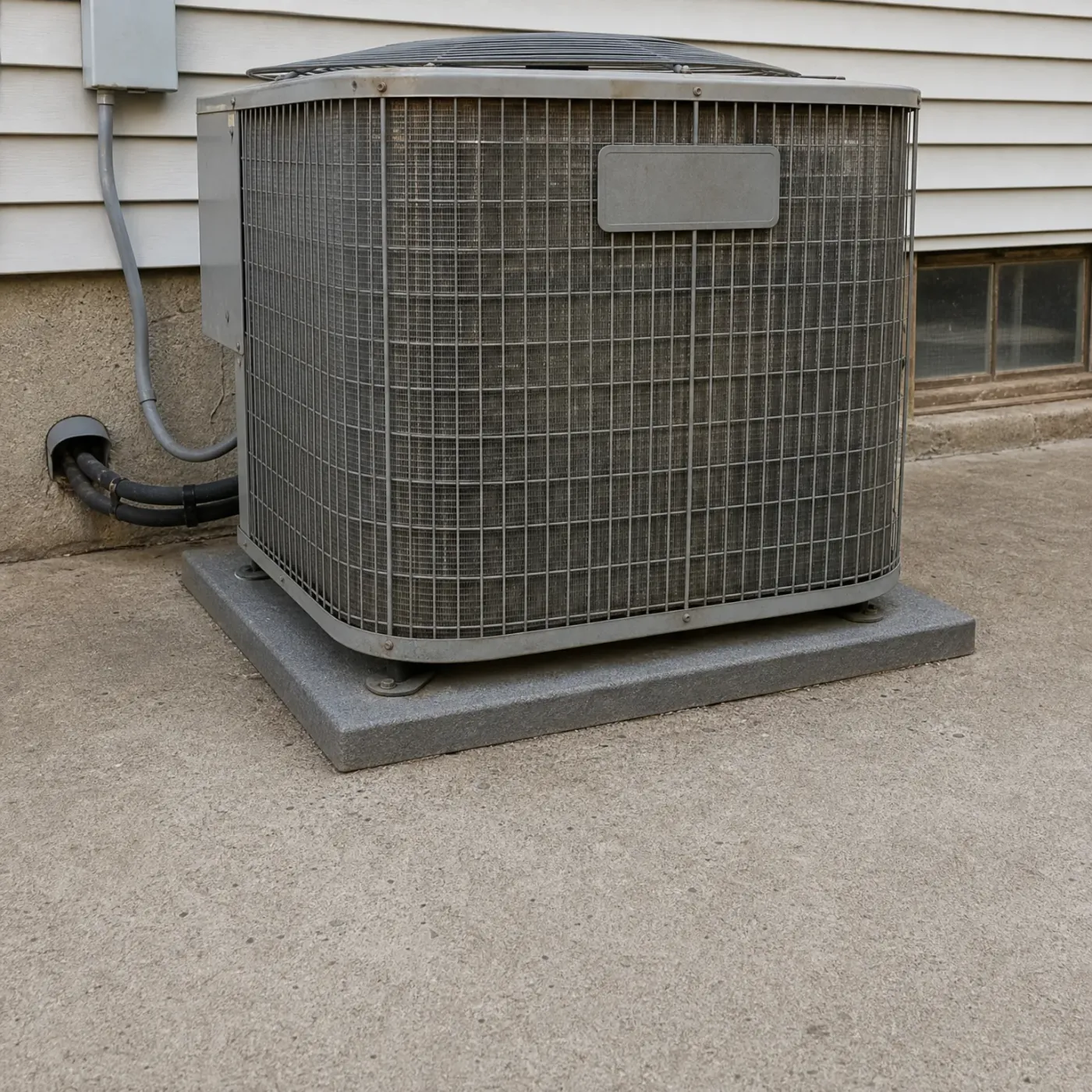
An aging single-stage unit, cycling full blast and shutting off, running harder for the same result.
Power costs 13.21 cents per kilowatt-hour statewide
At under 14 cents a kilowatt-hour, your two-stage unit's long runs on low stage cost you less than you'd think for the comfort they buy. A single-stage system spending that same stretch at full power pulls more electricity to hit the same thermostat setting.
EIA-861 2025 statewide residential average
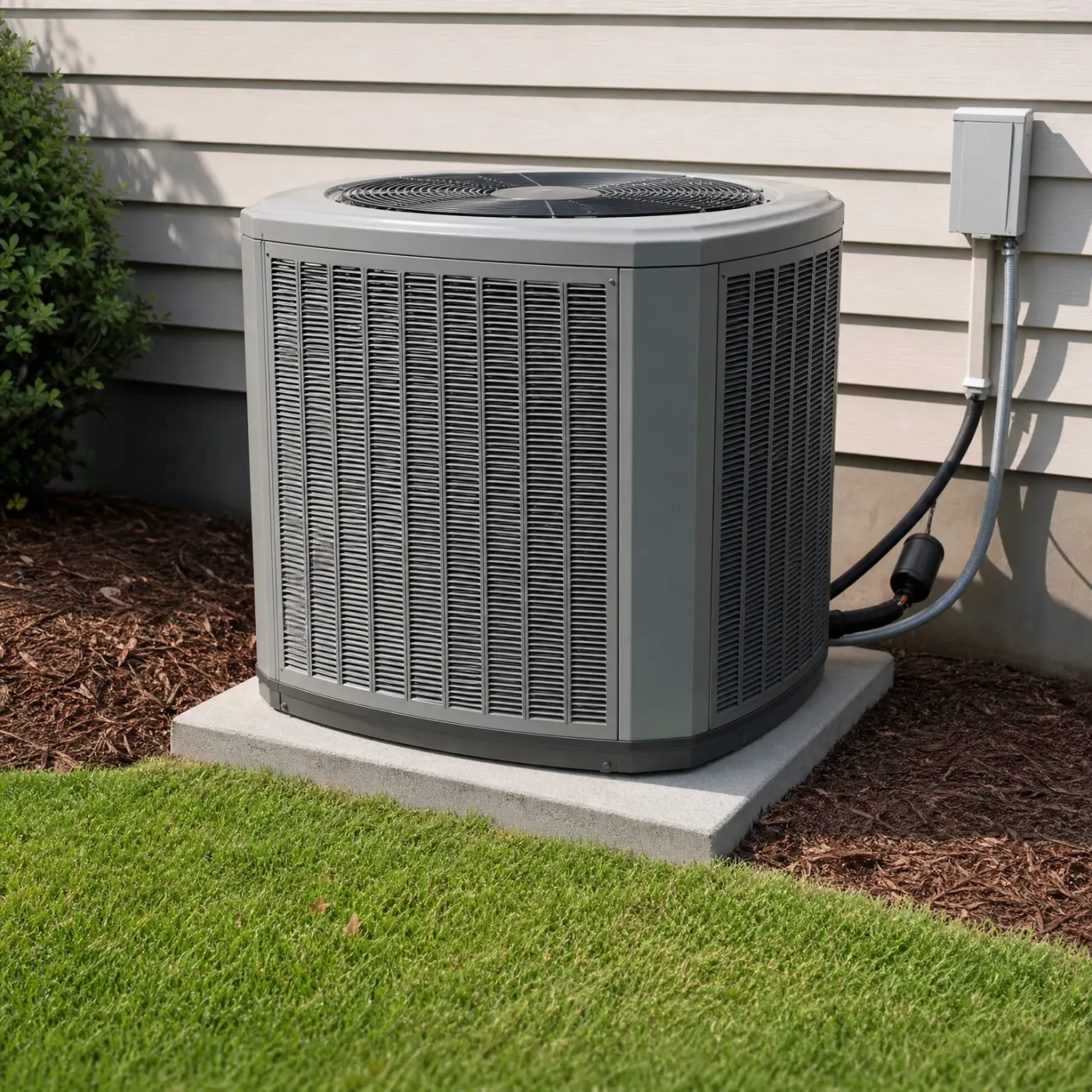
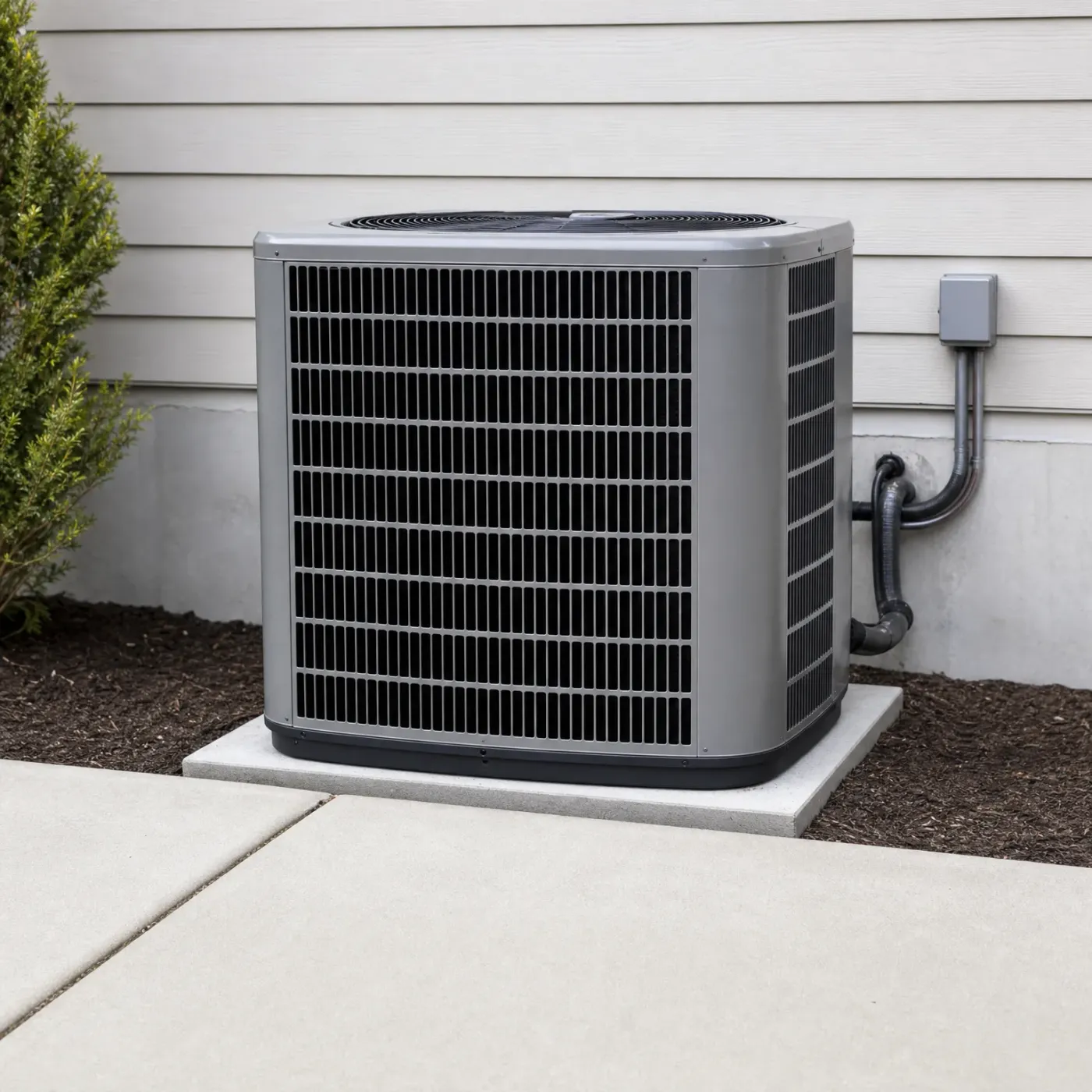
Running the way it's supposed to
This condenser sits clean on its pad, wired into the disconnect box, doing its job without a fight. A two-stage unit installed new runs long and low on mild days, only pushing to full output when the heat actually calls for it.
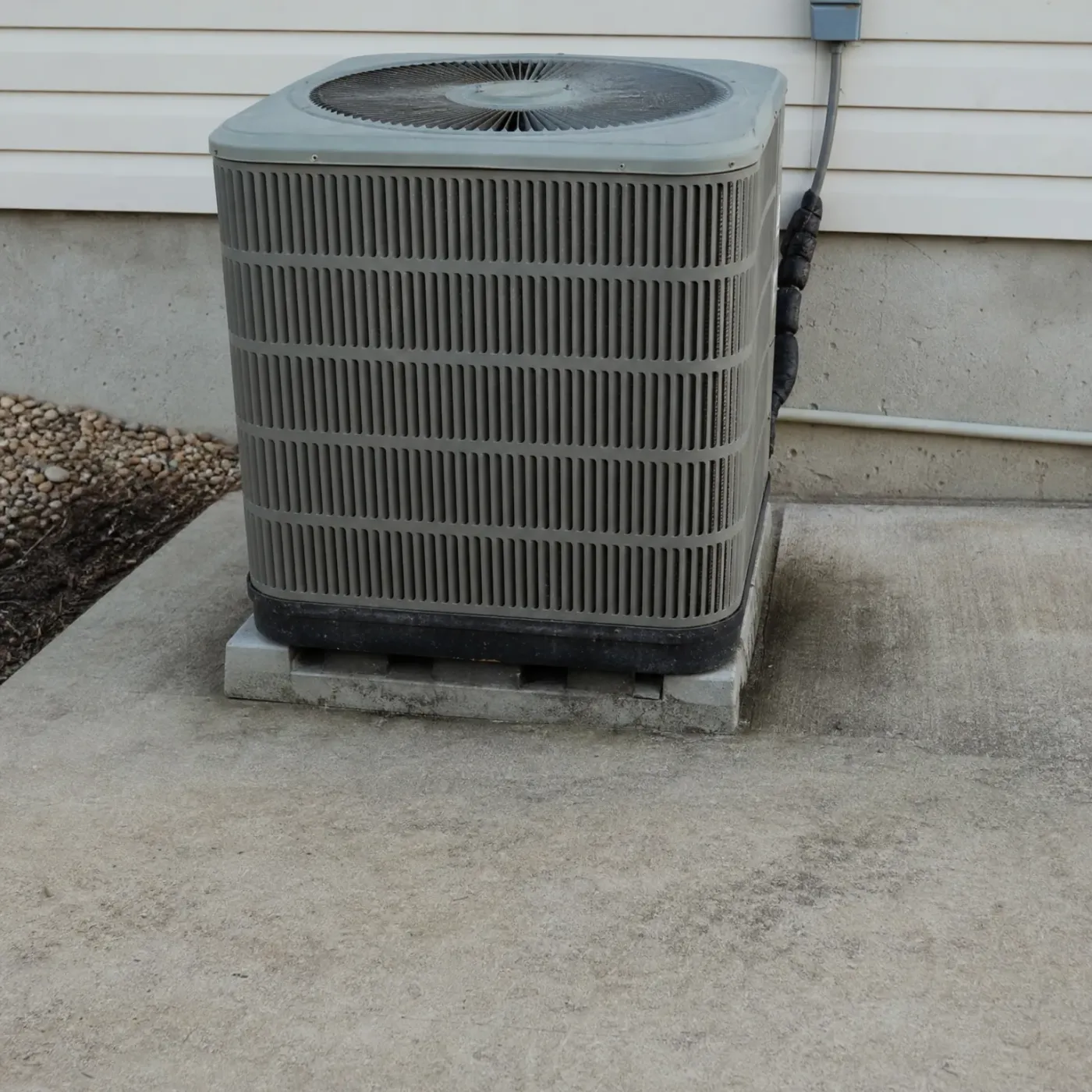
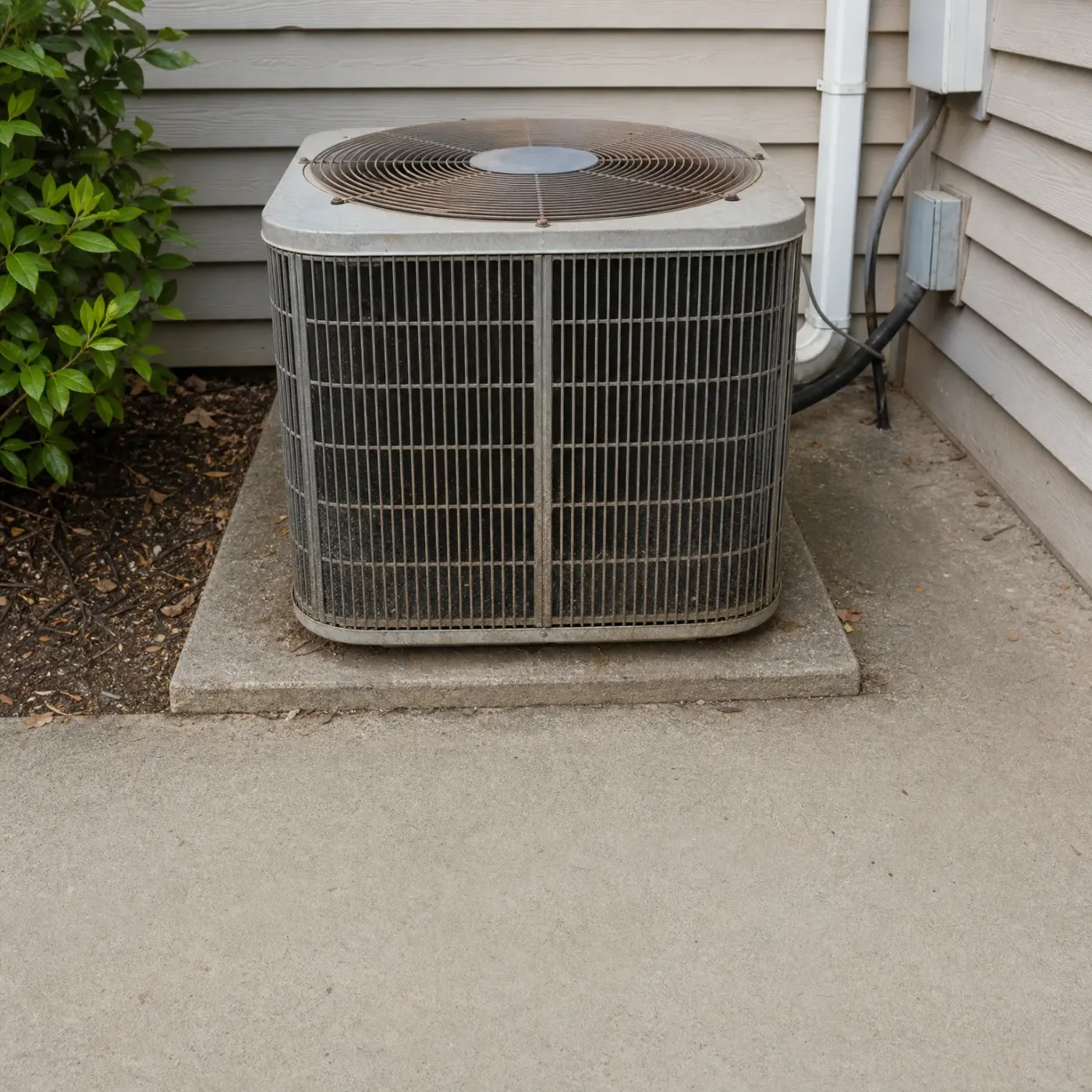
Caked in dust, working harder for it
Dirt built up on the cabinet mesh chokes the airflow this unit needs to shed heat. A single-stage compressor already runs full blast every cycle, and a dirty coil on top of that means longer run times just to hit the same temperature on the thermostat.
A two-stage AC earns its keep in Oklahoma
The answer is yes, for most houses here. Low stage runs through the long hot stretch and only calls on full power when the afternoon actually earns it. That's what keeps the air cooler without running up electric bills you can't predict.
You don't have to figure out who installs these or sort through a handful of quotes trying to tell one bid from another. You don't have to call around, explain your attic and your ductwork to three different voices, and wait on callbacks that don't come. Send the form once and that work is off your plate. Someone licensed to install it where you live takes it from there.