
When to replace an AC unit in Tulsa, OK
Most AC units in Tulsa need replacing between 12 and 15 years, and the summers here are usually what ends it. A unit that runs hard from May through September, often in 95-degree heat with heavy humidity, wears out its compressor and fan motor faster than one in a milder climate. If your AC is in that age range and you've had a repair call or two in the past year, replacing it is usually the better move over fixing it again, since the next breakdown tends to land during the worst heat of summer. Watch for signs beyond age: the unit short cycles, your energy bills have crept up without a clear reason, or a contractor tells you it's low on refrigerant that leaks back out. Any one of those, paired with a unit's age, points toward replacement rather than another repair.




Signs Your AC Is Done
- A compressor that cycles on and off rapidly, called short cycling, usually means it's failing rather than just dirty.
- R-22 refrigerant was phased out, so a leak repair on an older unit can cost more than the system is worth.
- A SEER2 rating in the single digits or low teens means the unit is working much harder than a new one would to hit the same temperature.
- Warm air blowing from some rooms but not others often points to a duct problem, not the unit itself.
- A unit that ices up on the coil during a normal summer run is usually low on refrigerant or starved for airflow.
- Age alone does not retire a unit; a compressor or fan motor failure on a unit past 12 years usually does.
A compressor in good shape runs a full cycle and shuts off. One that short cycles, kicking on and off every few minutes, is usually on its way out, not just dirty or low on charge. That matters more in Tulsa than it would somewhere milder, because a compressor working through a 95-degree July doesn't get much of a break to show you it's struggling before it quits outright.
Refrigerant tells its own story. If your system still runs on R-22, a leak isn't a small repair anymore. That refrigerant was phased out, and what's left in the supply chain costs enough that patching an old unit can run close to what a new one costs.
Check the SEER2 rating on the unit itself, usually on a sticker near the compressor or on the nameplate. Anything in the single digits or low teens is pulling a lot more power than a current unit to hit the same thermostat setting, all summer long.
Warm air in just one or two rooms while the rest of the house cools fine points at the ductwork, not the unit. Don't replace a unit over a duct problem.
Ice forming on the indoor coil during a normal run, not a heat wave, usually means low refrigerant or an airflow problem, something worth a look before assuming the worst.
None of this is about age by itself. A unit past 12 years that loses its compressor or fan motor is the one worth replacing, not a unit that's simply old and still running fine.
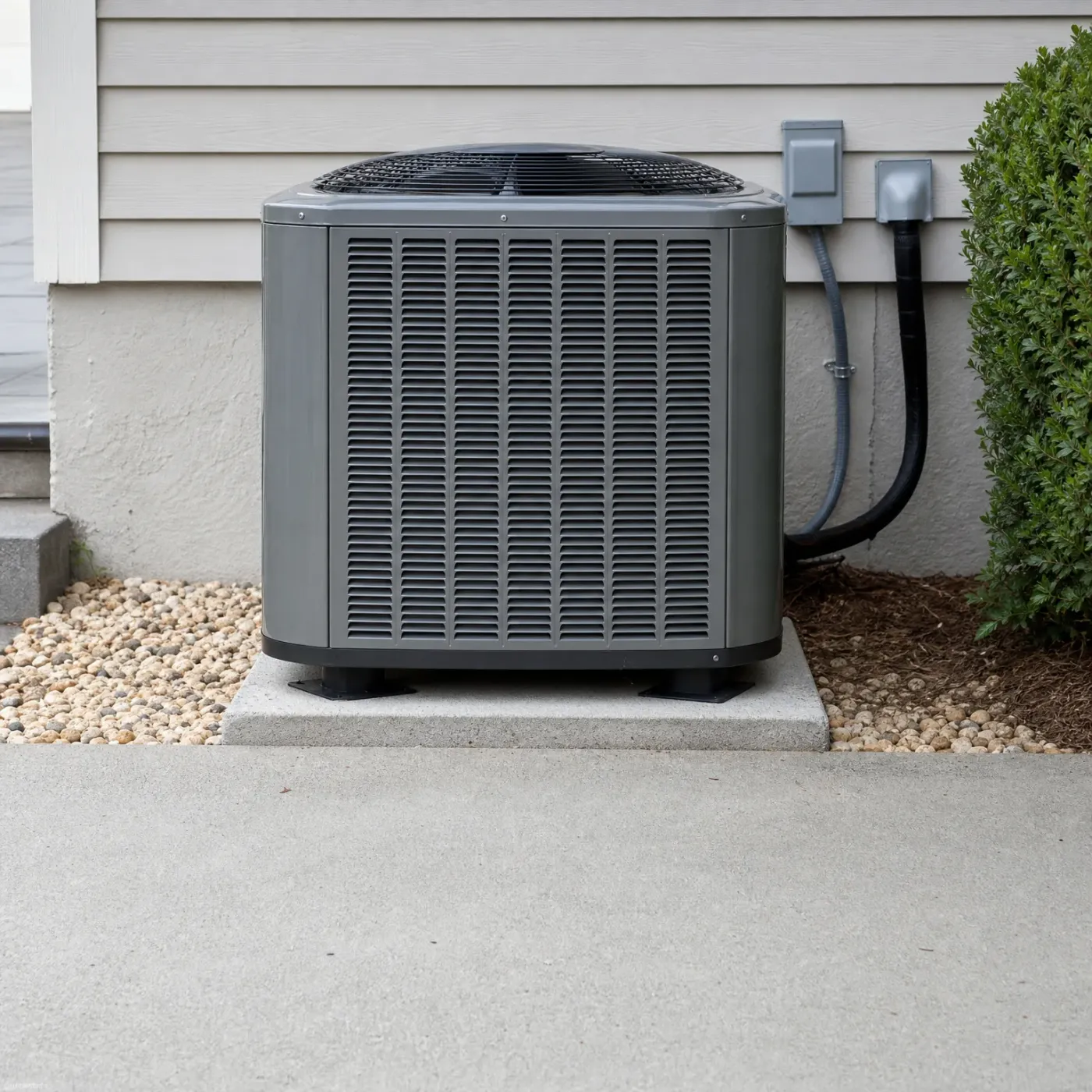
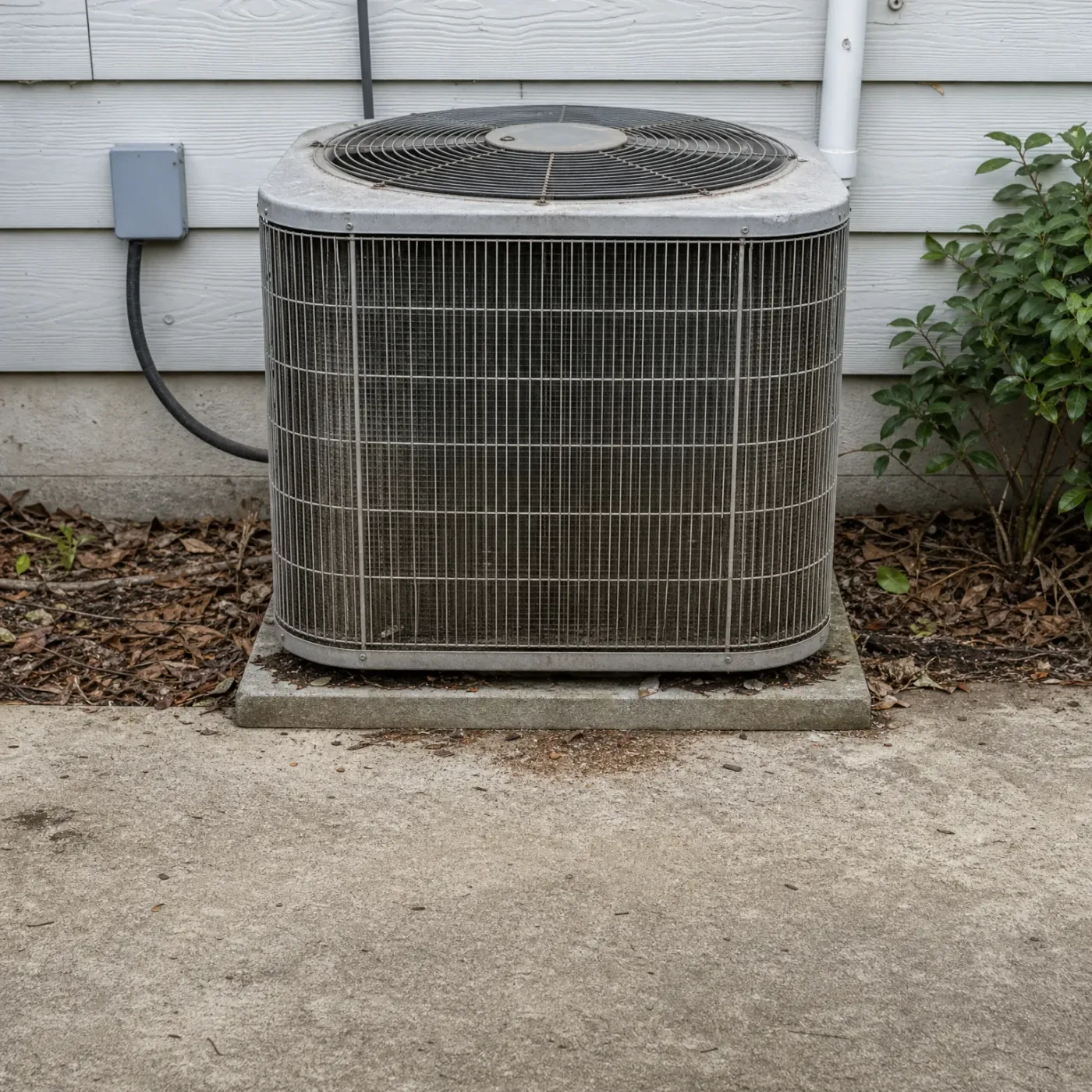
Repair the AC or Replace It
Repair
- The unit is under 10 years old and the repair, like a capacitor or contactor, is a part that fails on its own without pointing to bigger trouble.
- It still uses R-410A refrigerant, so a leak or low charge can be topped off or fixed without hunting down a phased-out refrigerant.
- The compressor starts and runs without hesitation, and the fan motor spins freely, so the core of the system is sound.
- Your power bills have stayed close to last year's, which means the unit is still cooling Tulsa summers without losing efficiency.
- A single repair gets you through the rest of this summer, and the unit has no other history of breakdowns calling for service.
Replace
- The unit is past 12 to 15 years old, which is the stretch most AC systems in Tulsa reach before a major part gives out.
- It runs on R-22, so a refrigerant leak means paying for a scarce, phased-out refrigerant that can cost more than installing a new unit.
- The compressor short cycles, turning on and off in quick bursts, which is a sign it's wearing out rather than something a cleaning will fix.
- Summer bills have climbed over the past couple of years even though nothing else in the house changed.
- Rooms cool unevenly, with some parts of the house staying warm no matter how long the system runs.
- Repairs have piled up over the last year or two, with one part after another needing attention.


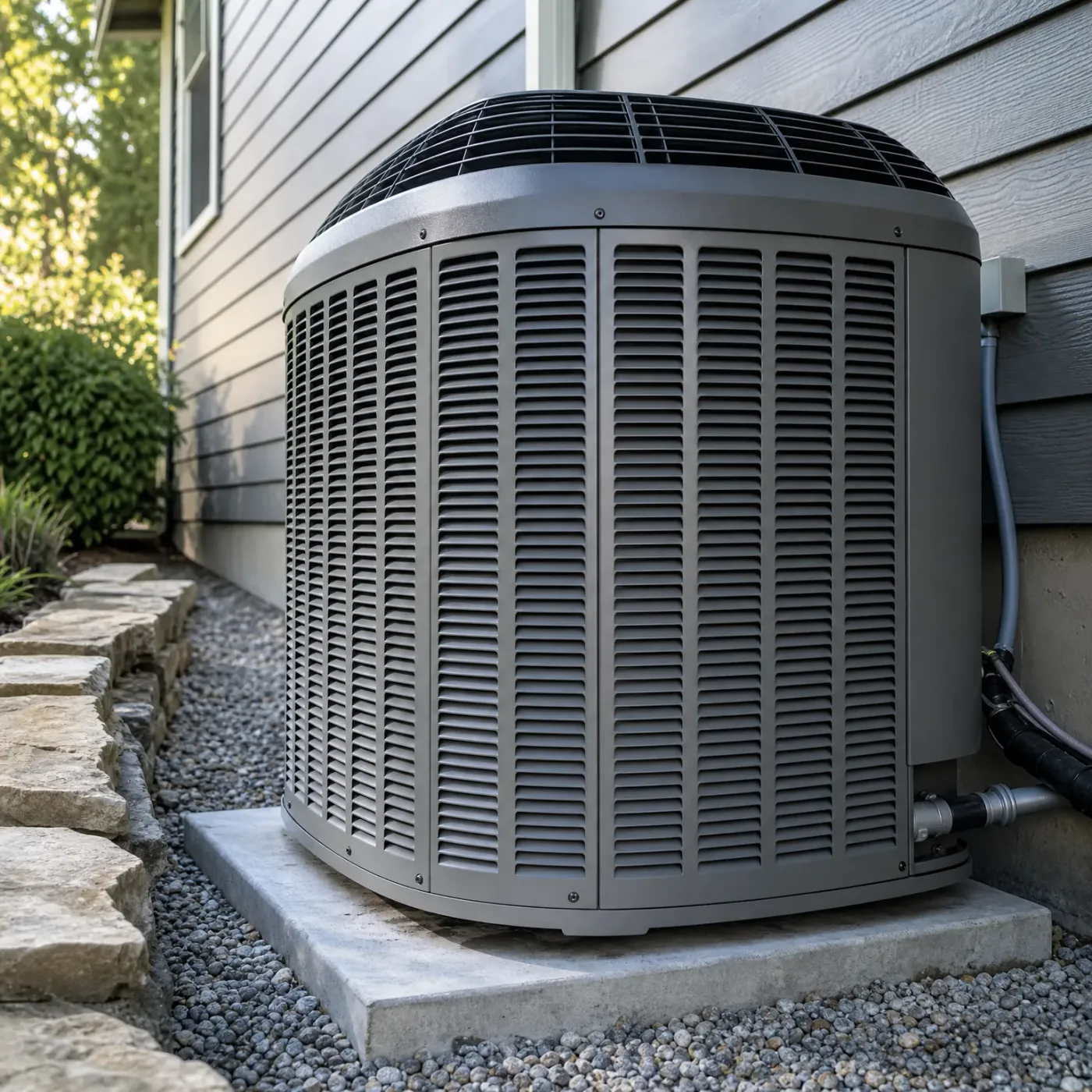
No calling every shop in Tulsa County
The pro who gets in touch is licensed in Oklahoma and works in Tulsa County.
Skip collecting and comparing quotes for the new air conditioner.
You only hire the pro if you want to.
Is your AC telling you something this summer
Walk through your house in July. Is one room always warmer than the rest, no matter where you set the thermostat. Does the unit run almost nonstop once the afternoon heat sets in, instead of cycling off like it used to. Listen for a rattle or a hum that wasn't there last summer, or a burnt smell when it kicks on. Check the breaker: has it tripped more than once this season. A unit struggling to keep up costs you more on the power bill every month it keeps running that way, and if it quits outright during a 95-degree stretch, you're without cooling until someone can get a new one in.
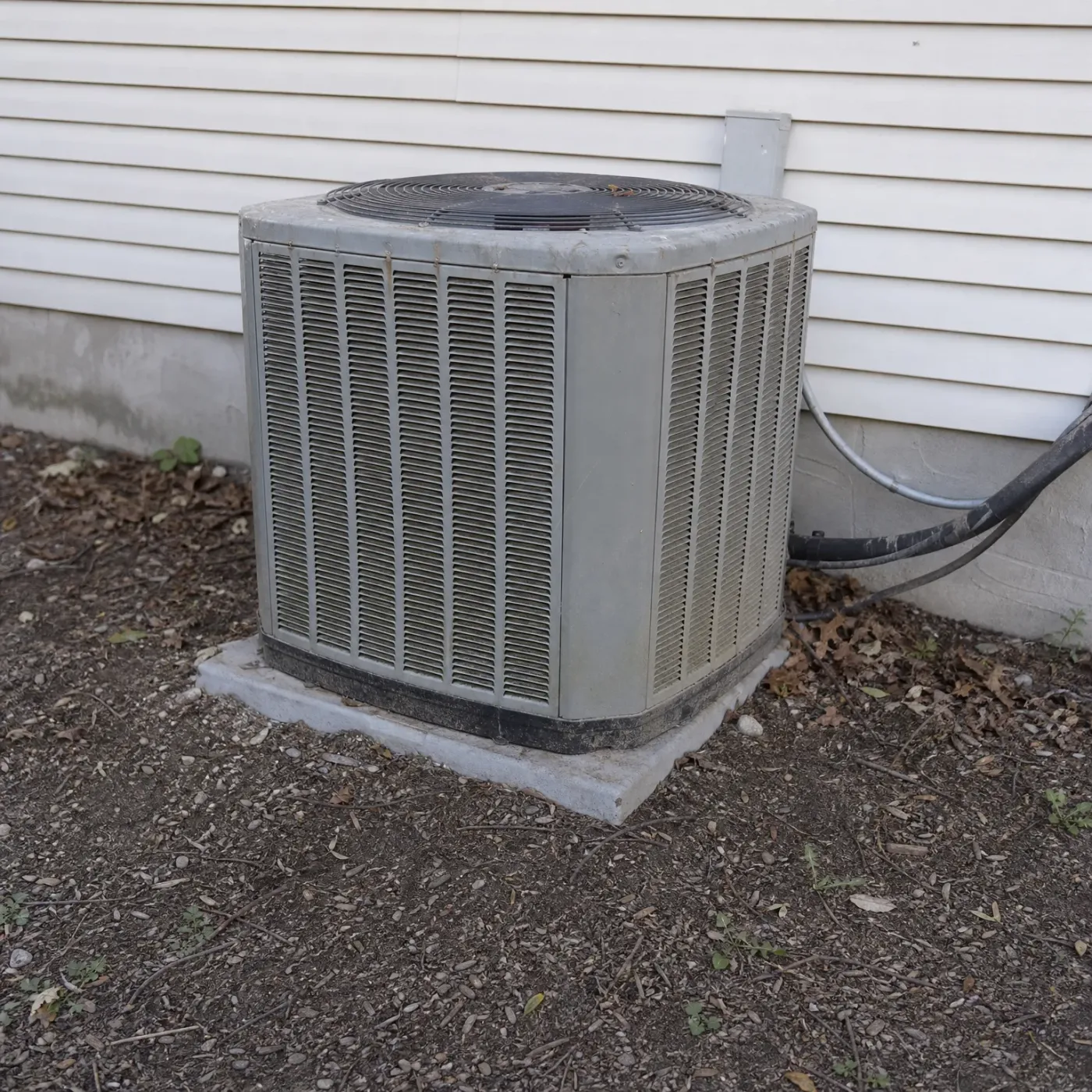
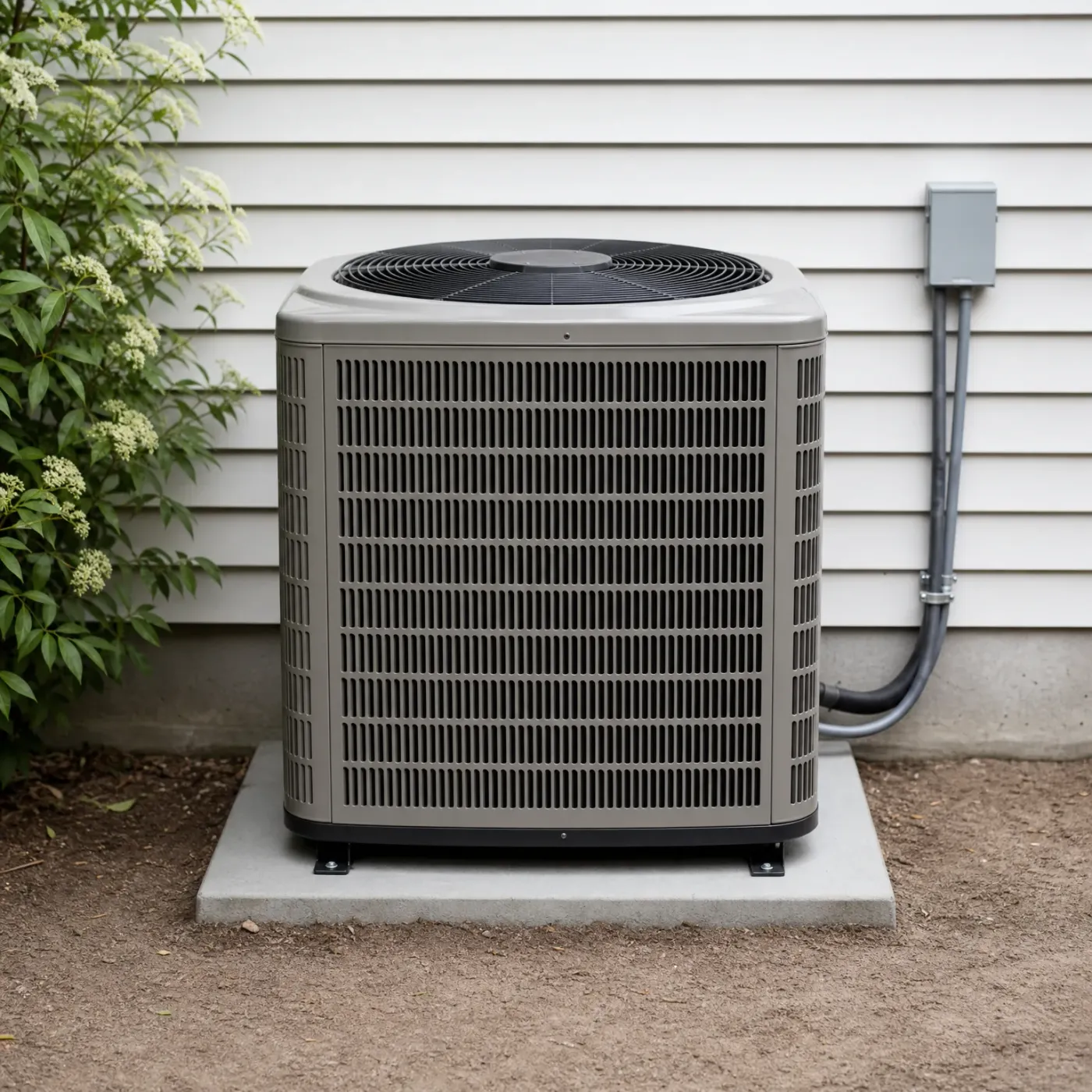
How long does R-410A refrigerant last in an AC unit before it needs replacing?
You've heard R-22 is being phased out and costs a fortune to recharge, so you're wondering if your unit's R-410A has some kind of shelf life too, something that quietly runs out and forces a replacement even if the system still seems to cool fine.
R-410A doesn't wear out on its own
A sealed AC system doesn't use up refrigerant the way a car uses gas. If your unit has R-410A and the charge is full, it will keep cooling at that level for as long as the system holds together, whether that's five years or fifteen. The refrigerant only runs low when there's a leak somewhere in the coils or line set, and a leak is a repair problem, not an aging one. If a Tulsa contractor keeps having to add refrigerant to your system year after year, that's a sign of a leak that needs finding, not proof the unit is done. R-410A itself isn't the reason a unit gets replaced.
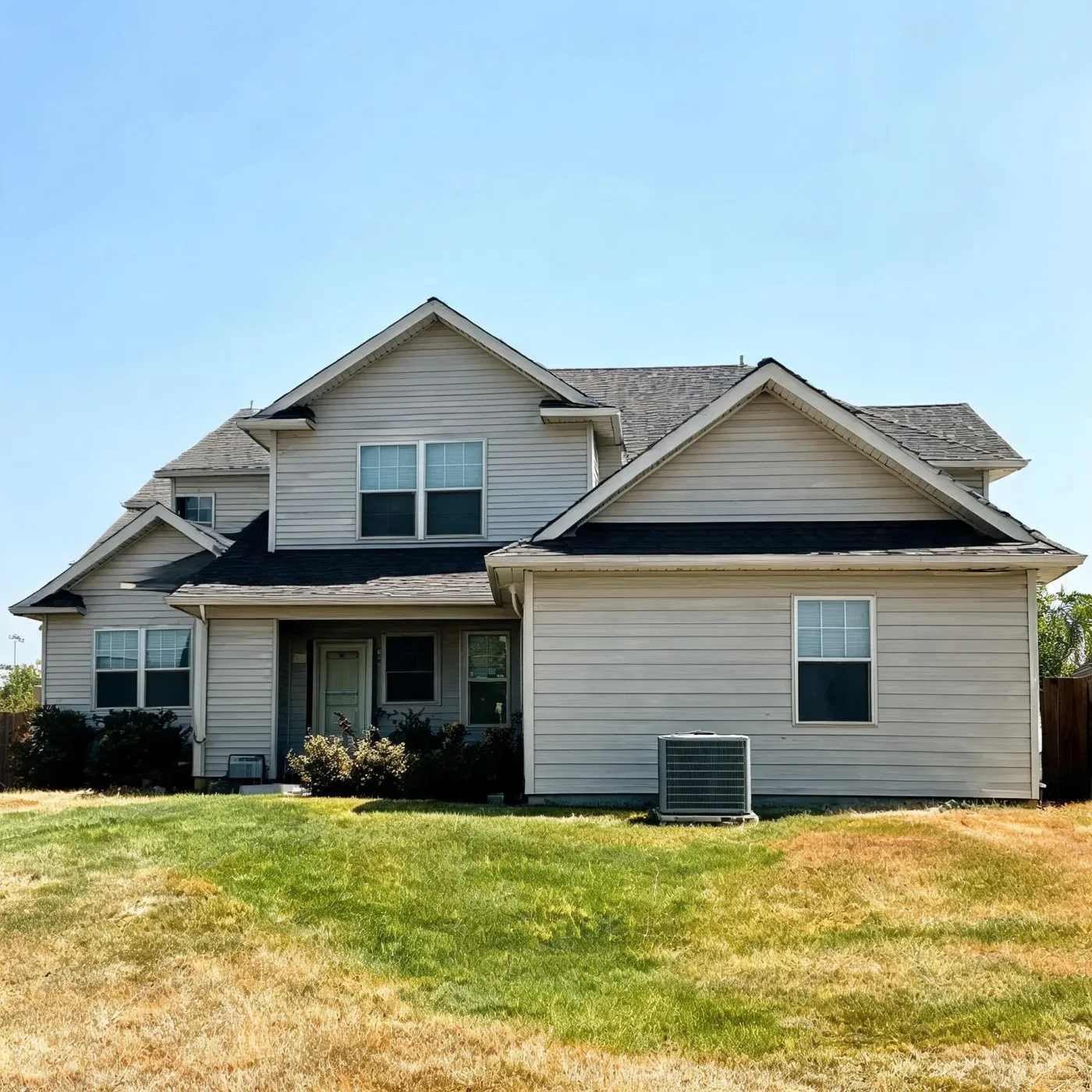
Tulsa summer air holds a dew point around 68°F for June, July and August, according to NOAA climate normals. That's heavy air, the kind that makes your skin feel damp just standing outside. Your AC has to pull that moisture out of the air before the house feels cool, not just drop the temperature. That's extra work on top of beating the heat, and it's why the unit can run long stretches in July and still leave the house feeling thick. If your system is older and already losing capacity, this is usually when you notice it, a house that cools down but never quite feels dry.
NASA POWER T2MDEW

So where does that leave your AC
If your unit is past 12 years and you're already seeing the signs, short cycling, uneven cooling, a compressor that strains through the afternoon heat, replacing it is the straight path. If it's younger and still holds R-410A, a repair is usually the right call first. Either way, the age of the unit and what it's doing right now tell you more than any single rule.
What you don't have to do is spend your evenings sorting through it alone. No calling around Tulsa for quotes, no explaining the same short cycling problem to three different companies, no guessing which bid actually covers the work. One licensed local contractor who works on these units every summer, who knows what a Tulsa July does to a compressor, takes a look and tells you straight where you stand.






Explain it one time
A licensed pro who works in Tulsa County gets your request.
Asking costs nothing, and the choice to hire stays yours.