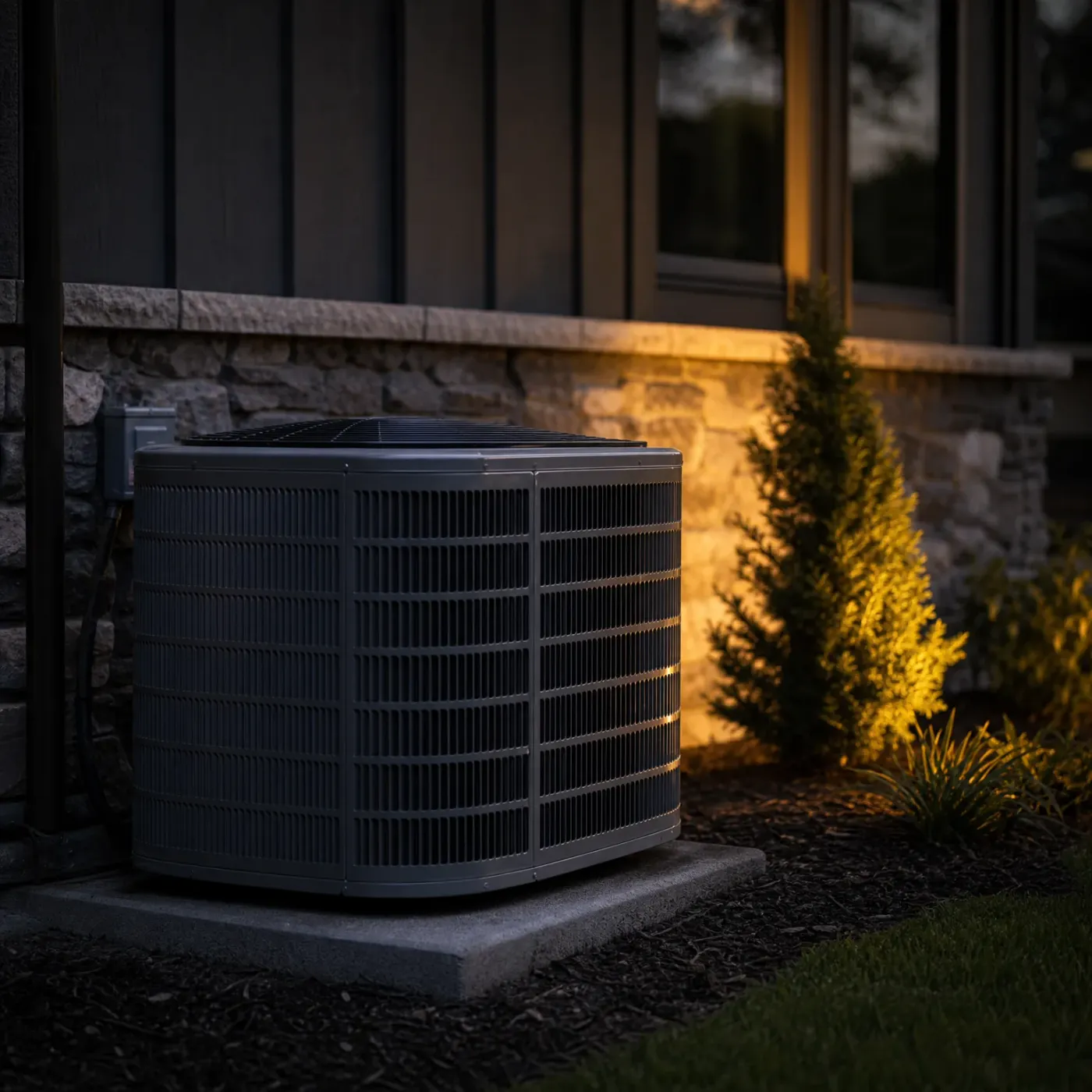






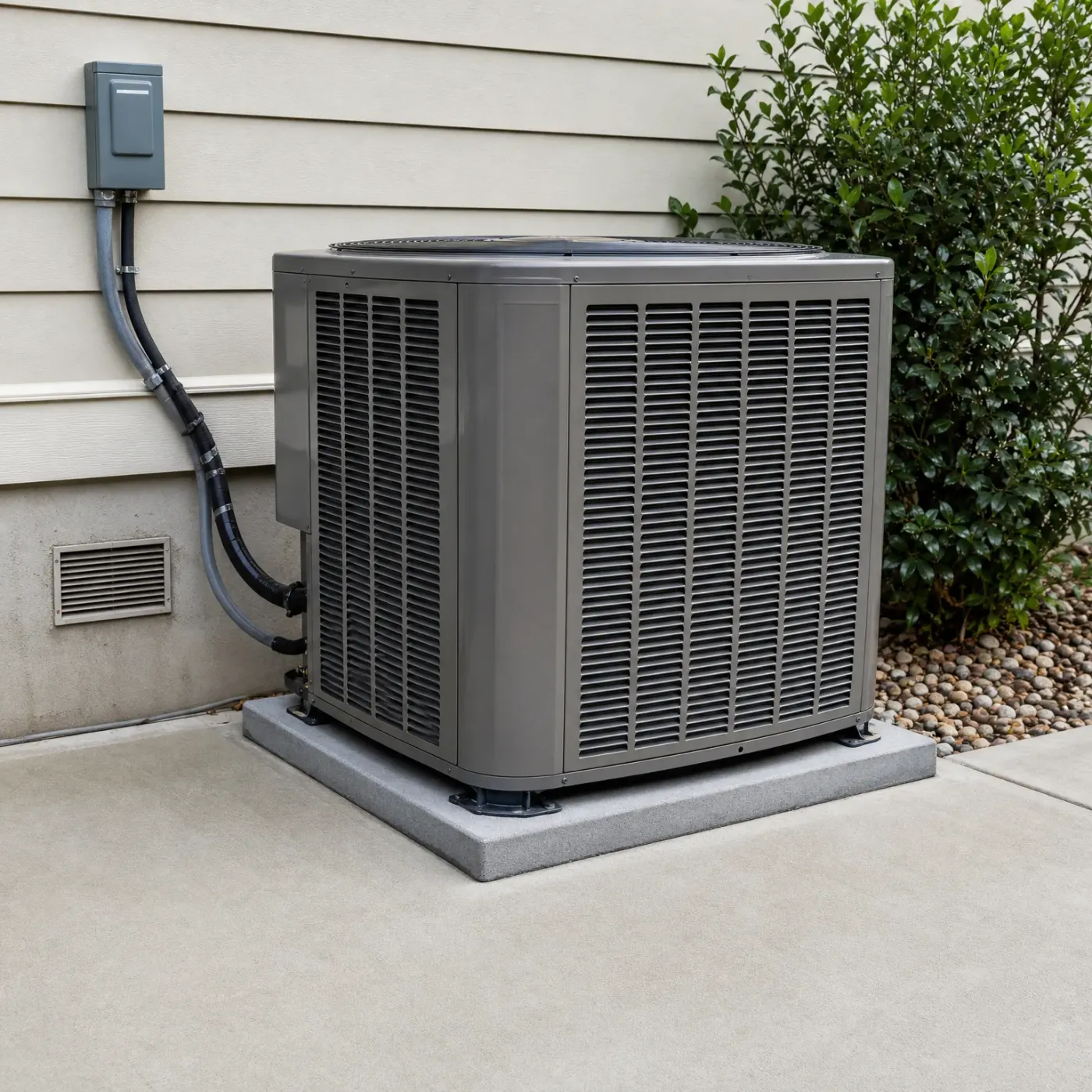
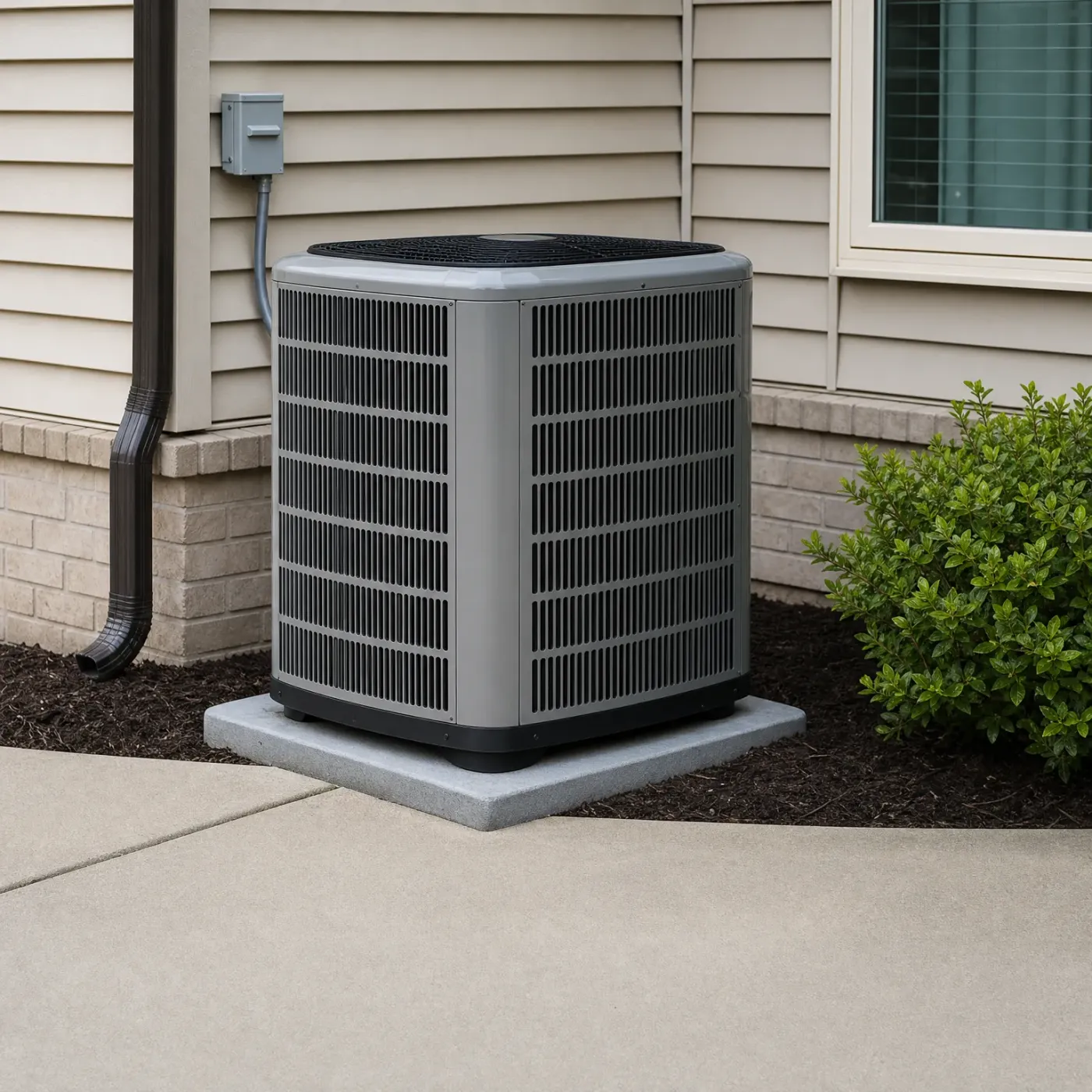
An outdoor air conditioning condenser unit on a concrete pad beside a house with stone veneer and vertical board siding, with a small shrub and mulch bed lit by a ground light at dusk.

An air conditioner pro near you

Why your upstairs stays hot in Oklahoma summers

Heat rises, so the upstairs always runs warmer than the rest of the house. But if it's still stuffy at ten at night with the thermostat set the same as downstairs, that points to something specific: a duct problem, a system sized wrong for a two-story home, or a return that can't keep up. This page gets into what's actually going on and what to check before you call anyone. Skip the searching and comparing. A local contractor who handles this can reach out directly.

Get a local pro

Heat rises, and in a one or two story Oklahoma house, the upstairs can end up ten or more degrees warmer than the thermostat on the wall downstairs. That gap gets worse once the outdoor temperature climbs into the upper 90s, because the same duct system has to push cool air further and fight more heat coming through the roof. A few things usually cause it. The return air duct upstairs may be too small to pull warm air out of those rooms, so the air conditioner never gets a true read on how hot it is up there. The supply ducts feeding the second floor may be undersized, leaky, or running through a hot attic where they lose cold air before it reaches the vents. Or the air conditioner itself may be sized for the house as a whole, not for the harder job of cooling the top floor against summer sun on the roof. A technician can check duct sizing, insulation, and airflow balance between floors to find which one is happening in your house.

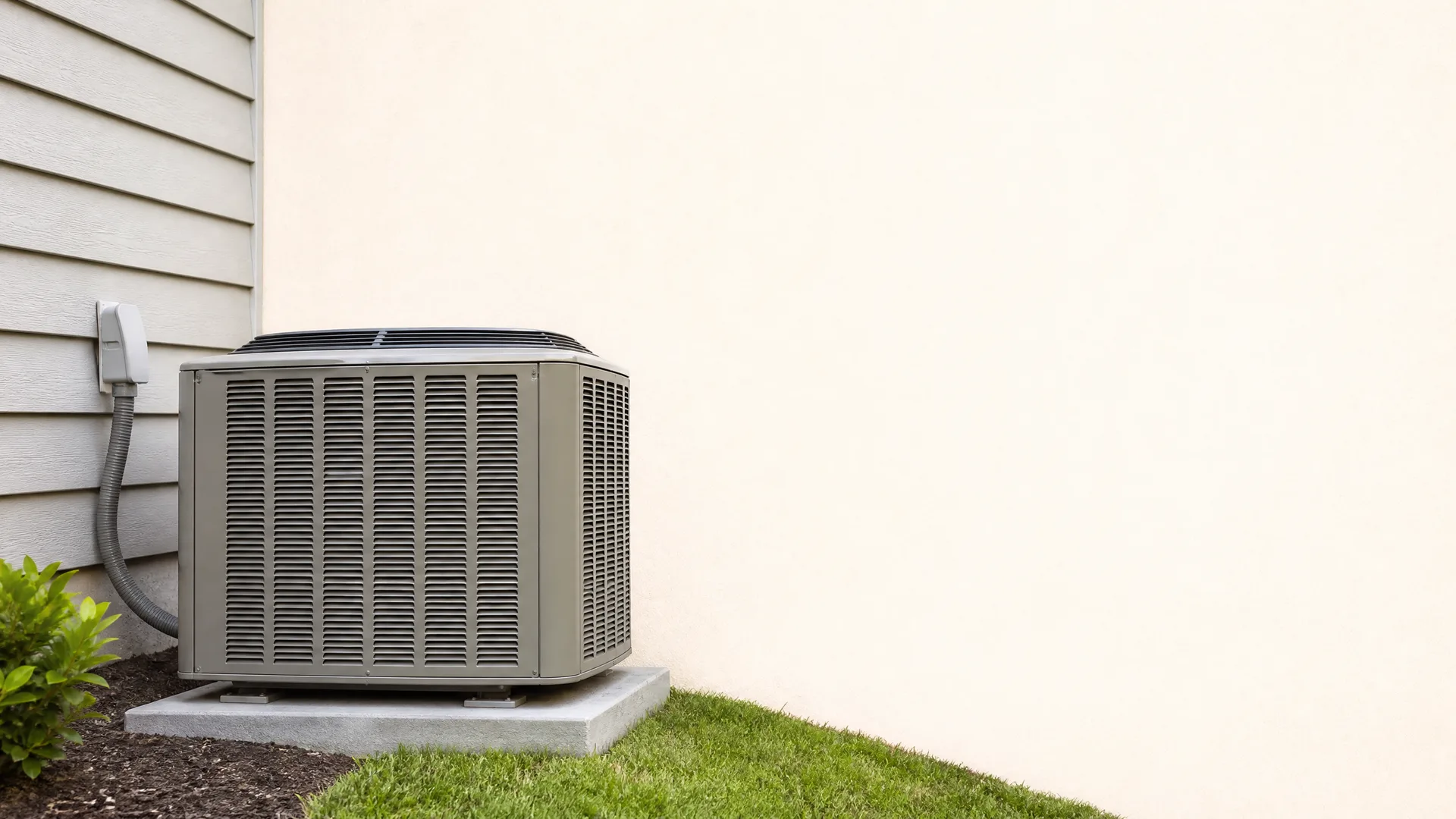
An outdoor air conditioning condenser unit on a concrete pad at the corner of a house, next to vinyl siding and a plain light-colored wall, with grass and a mulch bed in the foreground.

One thermostat, two different loads

A single thermostat downstairs reads one temperature and runs the system to match it, but the upstairs rooms don't share that air. Warm air collects near the ceiling and stays there, so the return duct downstairs is pulling in cooler air while the upstairs vents are starved. The system stops cooling once the downstairs sensor is satisfied, even though the rooms above it never got there.

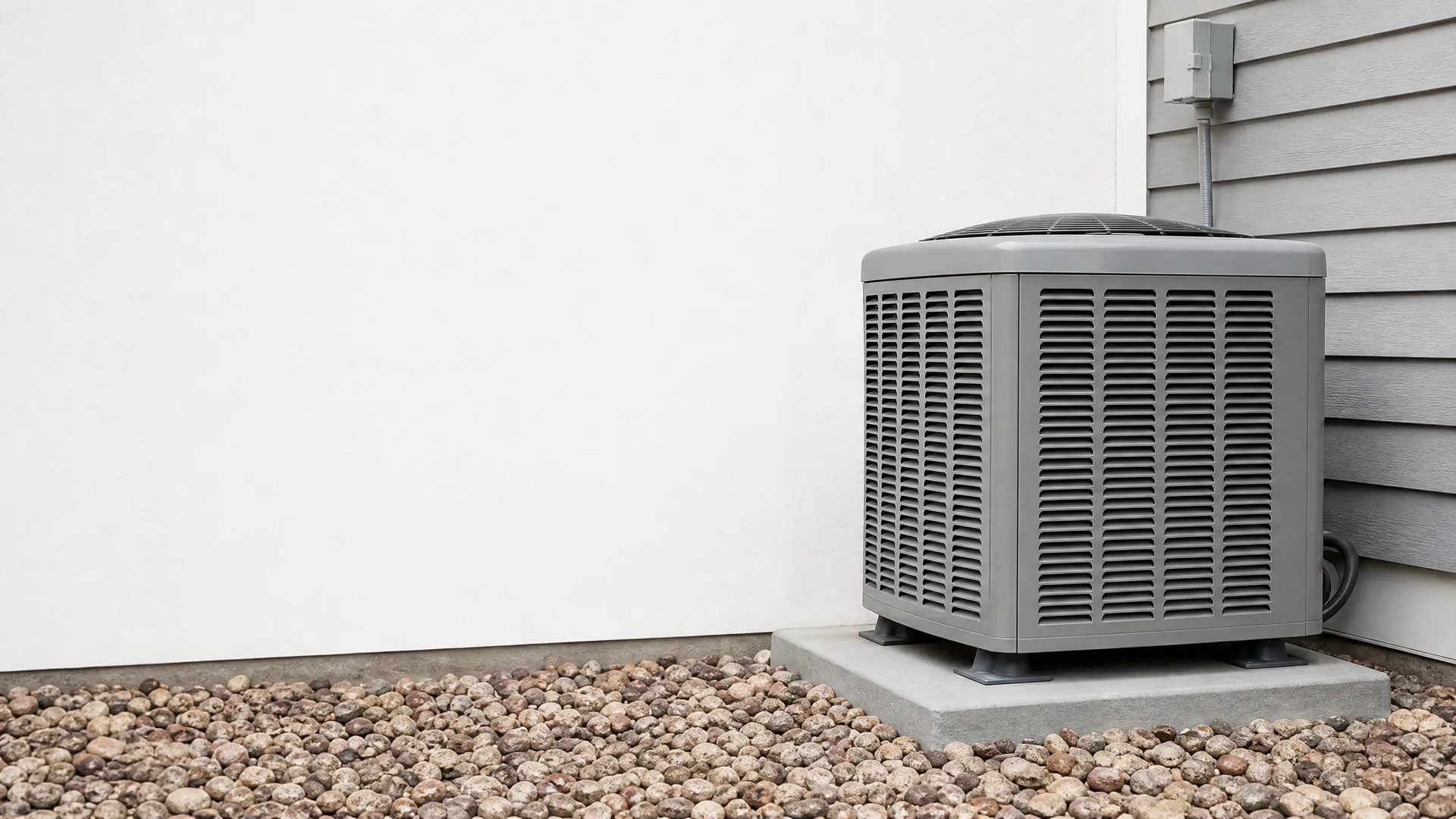
A gray outdoor air conditioning condenser unit sits on a concrete pad beside a white stucco wall and gray horizontal siding, surrounded by rounded landscaping gravel, with an electrical disconnect box mounted on the siding above.

Attic ducts lose the fight first

Supply ducts that run through the attic carry cooled air across the hottest part of the house before it ever reaches an upstairs register. On a July afternoon an Oklahoma attic can run well past 120 degrees, and that heat works against the air moving through the duct the whole way. By the time it reaches the vent, it has already picked up heat it was never supposed to have.

A man in a dark blue shirt stands in an open front doorway of a stucco and wood-clad house, facing a blond woman seen from behind in the foreground on a stone walkway.

What the heat upstairs is doing to your house

A bedroom that won't cool down by bedtime means that room runs its share of the day fighting a losing battle. The air handler cycles on, the downstairs hits 72, and the unit shuts off before the upstairs ever caught up. Over an Oklahoma summer that adds up to longer run times and a system working harder than it should for rooms that still don't feel right.

It also means whoever sleeps up there is the one who notices first, every night, long after everyone else has stopped thinking about it. Figuring out whether that's a duct problem, a sizing issue, or something else takes someone who can look at your actual house, not just the thermostat. A contractor who takes on this kind of call can look at your setup and tell you what's actually going on, so you're not the one crawling into the attic or guessing which fix might help.

Interior corner of a living room with a beige upholstered sofa and dark cushion in the foreground, a ceramic vase of leafy branches on a dark side table by a curtained window, a framed picture on the wall, and a wood-surround fireplace at right.
A smiling woman with long dark hair in a gray sweater sits at a white stone counter with a glass of white wine, with a kitchen, fireplace and sofa visible behind her.
A smiling woman with dark hair in a cream sweater sits at a marble table with a glass of red wine, with a lit lamp, sofa, fireplace and kitchen counter behind her.
A woman in a cream sweater laughs while seated at a marble countertop with a glass of red wine, with a dimly lit living room and sofa behind her.
A woman in a beige turtleneck sweater with her hair up sits laughing and looking to the side at a white marble table with a glass of red wine, in a dimly lit interior with a lamp and seating area behind her.

A local pro for your air conditioner repair

You've probably already tried the easy fixes: closing the downstairs vents, running a box fan at the top of the stairs, bumping the thermostat down a few degrees and hoping it catches up before bedtime. None of that changes how the air gets up there in the first place. A duct run that's too small, a return that's starving the upstairs of airflow, or a system that was never sized for a second floor in an Oklahoma summer isn't something you find by guessing. It takes someone who can get up in the attic, measure the airflow at each register, and tell you what's actually wrong. Instead of spending your evenings calling around to different HVAC companies, describing the same hot upstairs bedroom to each one, and trying to sort out which quote actually fixes the problem, you can hand that off. A contractor who works on two-story homes in your area can take a look at what you're dealing with and reach out directly.

You could keep doing what you're doing: another box fan, another few degrees knocked off the thermostat, another summer of the upstairs bedrooms running warmer than the rooms below them.

Or you could find out why, which means a contractor who checks the duct sizing, the return air, and whether the system was ever right for a two-story house in the first place.

An outdoor air conditioning condenser unit sits on a concrete pad beside a house with horizontal vinyl siding, with a gray electrical disconnect box and insulated refrigerant line on the wall above, surrounded by bare mulched ground.
Before you get your air conditioner repair
A gray outdoor air conditioning condenser unit sits on a concrete pad beside a house with horizontal siding, connected by insulated lines to a wall-mounted disconnect box, with a shrub and gravel bed to the right.
After you get your air conditioner repair
A gray outdoor air conditioning condenser unit on a concrete pad beside a house with horizontal vinyl siding, a brick foundation, downspout, electrical disconnect box, mulch bed and a green shrub.

Running the way it should

A clean condenser outside pulls heat out of the house and gives it up to the outside air. With good airflow across the fins, it can keep up with an Oklahoma afternoon, downstairs and up, as long as the ducts are moving enough air to the second floor to match it.
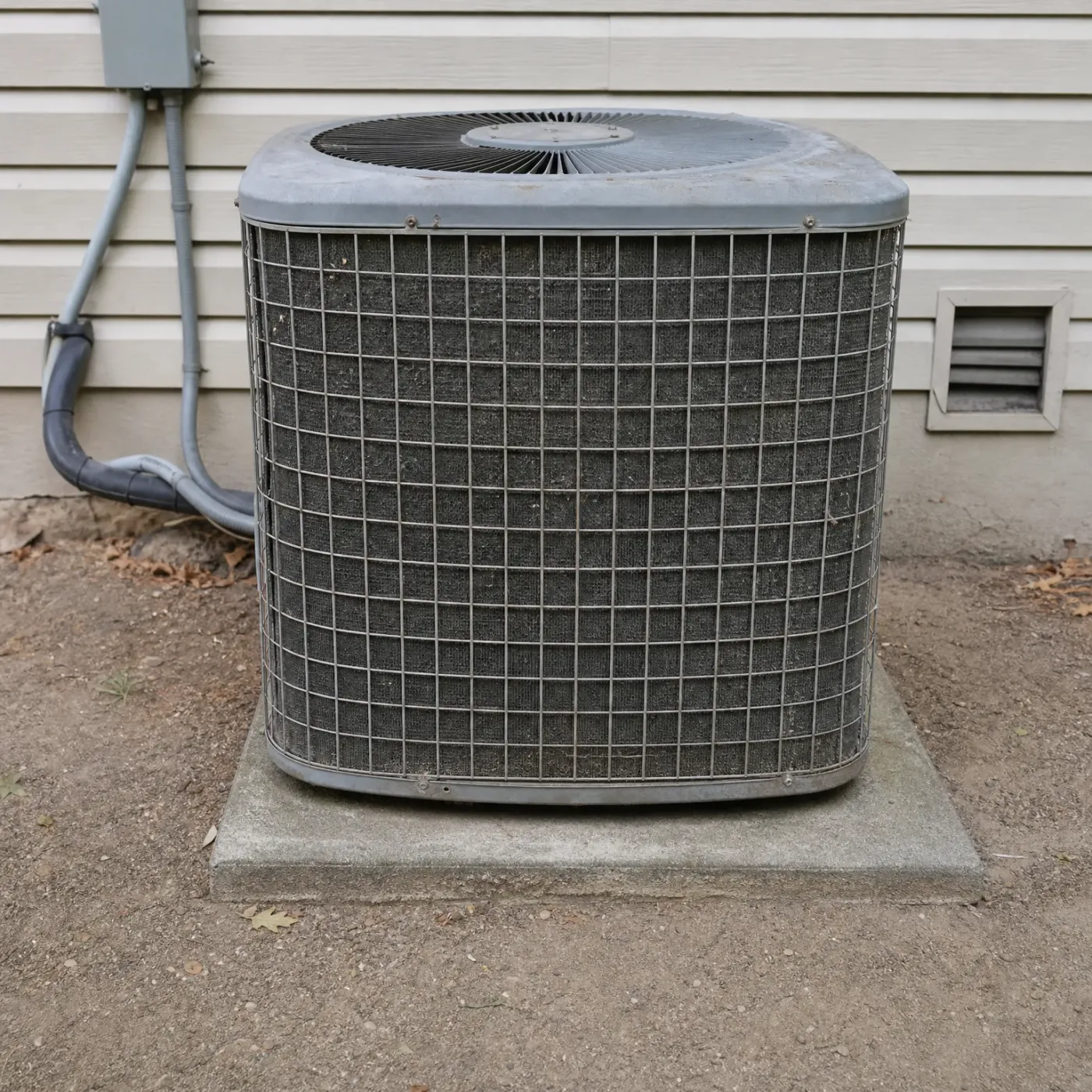

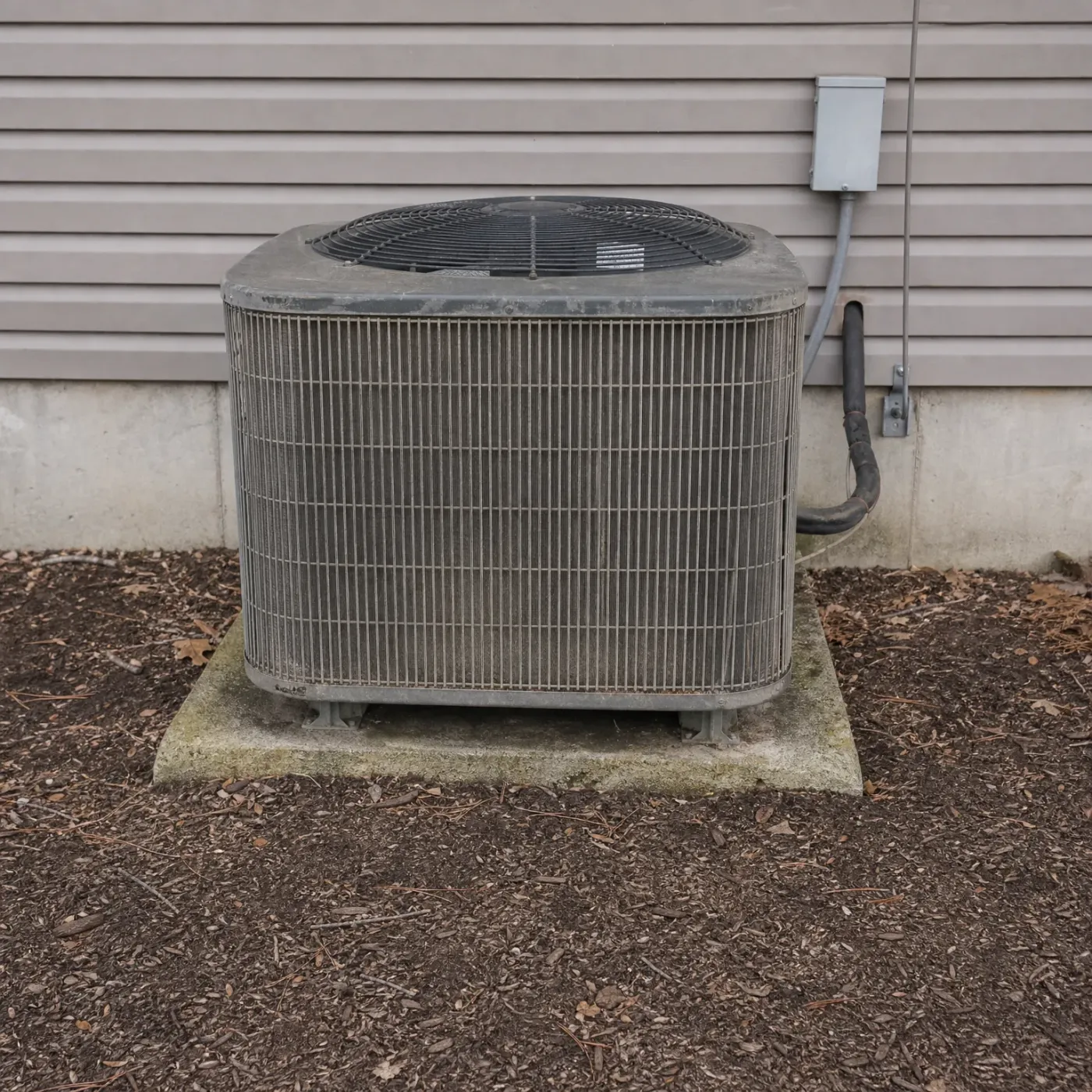
An outdoor air conditioning condenser unit with a dirty mesh coil guard sits on a concrete pad beside a house with horizontal lap siding, a wall vent, and conduit running to an electrical disconnect box.

Dirt doing the work against it

Fins packed with dirt and yard debris choke the airflow the unit needs to shed heat. It runs longer to do the same job, and on a system already struggling to cool the upstairs, that's the difference between warm by bedtime and warm all night.

Power costs 13.21 cents per kilowatt-hour statewide

At 13.21 cents a kilowatt-hour, every degree the thermostat drops trying to cool that upstairs room costs more than it should, since the air handler keeps running long after downstairs is comfortable. A duct problem that fixes the airflow pays you back on the bill, not just the bedroom.

EIA-861 2025 statewide residential average

What's Actually True Upstairs

  • Heat rises, so an upstairs that runs warmer than the thermostat setting downstairs is normal in any two-story Oklahoma house.
  • A gap that grows once it's 95 or 100 outside, or a room that's still hot at bedtime, points to a duct or airflow problem rather than just physics.
  • One thermostat downstairs can't account for what the upstairs rooms actually need, so the system shuts off before they catch up.
  • Closing vents, running a fan, or dropping the thermostat a few more degrees treats the symptom without changing how much air reaches the upstairs ducts.
  • A contractor checking duct sizing, airflow balance, and the condenser's condition can find the specific reason your upstairs runs hot.
  • Running the air handler longer to chase a hot upstairs room adds to the power bill without solving why that room stays warm.

An upstairs that runs warmer than downstairs isn't a sign anything's broken. Heat rises, and a single thermostat on the lower floor was never going to account for what happens two floors up. That's just how a house works.

What tells you something's actually wrong is the pattern. If the gap between floors gets wider on the days it hits 95 or 100 outside, or if a bedroom upstairs is still hot at ten at night no matter what the thermostat says, the system isn't just dealing with physics anymore. It's dealing with ducts that can't move enough air to the rooms that need it, or a condenser outside that's lost some of its capacity to pull heat out of the house to begin with.

None of the usual workarounds change that. Closing vents downstairs, running a fan at the top of the stairs, dropping the thermostat another few degrees. All of that asks the system to run longer without changing how much air actually reaches the upstairs ducts. The air handler keeps cycling, the bill keeps climbing, and the room stays warm anyway.

A contractor who checks how the ducts are sized, how the airflow balances between floors, and how well the condenser is still working can tell you which of those is actually the problem in your house. Running the system harder can't answer that question. Only looking at it can.

A smiling bearded man in a navy crewneck sweater sits at a dinner table with a glass of red wine, plates and glasses in the foreground, in a dimly lit room with a lamp and framed picture behind him.
A woman in a dark gray sweater reclines on a light sofa with eyes closed and a slight smile, under a textured gray blanket with an open book resting on her lap, with a lit table lamp and plant in the background.

Air Conditioner Repair

Get the right pro for your air conditioner

One form replaces the calls you'd make to find an air conditioner pro.

A black-framed smartphone standing upright against a plain white background, its screen filled with solid green.
Step 1 of 3: Equipment